


Manufacture of plastic car bodies – Thermosets
Every detail matters, especially when it comes to bodywork components that are subjected to the rigours of road traffic, time constraints, weather conditions and daily wear and tear. At STOLAM, we rely on glass-fibre-reinforced plastics because we know how important it is for them to remain durable in the face of external conditions. Glass-fibre-reinforced plastic (GRP), combined with chemically curing resins, is a material that does not deform under the influence of temperature, does not absorb moisture, nor does it corrode. It is from this material that we manufacture bodywork components for trams and buses – they are reliable. Hand-lay-up technology gives us control over form and quality, whilst our experience allows us to produce bespoke components.
Thermoset – what are its properties?
Thermoset is a plastic belonging to the group of thermosetting polymers. Its unique feature is that, following a process of heating and cross-linking, it becomes rigid and insoluble. It exhibits exceptional dimensional stability and resistance to high temperatures and chemicals. Thermosets are also excellent electrical insulators. Furthermore, they are lightweight, which helps reduce vehicle weight whilst ensuring high mechanical strength. Their brittleness and inability to be remelted are offset by their versatile industrial applications.


Key characteristics of thermosets
Thermosets are distinguished by a unique set of properties that make this material ideal for the production of components with high technical requirements. They are characterised by:
- rigidity,
- mechanical strength
- and dimensional stability even under elevated temperatures or when exposed to chemicals.
Once cured, they become insoluble and non-plasticisable, which guarantees durability regardless of the operating environment. Their low weight and the ability to form complex geometries open the way to the production of large components, including in short runs or prototypes. Other advantages include low tooling costs and ease of repair.
Applications of thermosets
in the automotive industry
Thermosets, also known as duromers or hardenable plastics, are a group of polymeric materials which, after undergoing an irreversible cross-linking process, become permanent and do not soften again when heated. This cross-linking may occur as a result of high temperatures (thermosetting plastics) or under the influence of special chemical compounds known as curing agents (chemically curing plastics). The most common thermosets include phenolic resins, amino resins, epoxy resins and unsaturated polyester resins. Thermosets are used in the production of structural laminates with a paper substrate or reinforced with fibres, such as glass fibres, as well as thermosetting and chemically curing adhesives, coating resins, foams and technical fibres.
Thermosets are used in the automotive industry and play a key role in the manufacture of bodywork and interior components (door panels, dashboards, lamp housings and mechanical covers). This material, which is resistant to high temperatures and aggressive substances, is also suitable for electrical insulation and as a raw material for the production of engine casings. The low weight of thermosets allows for a reduction in vehicle weight, which directly contributes to lower fuel consumption and reduced exhaust emissions.
Outside the automotive sector, thermosets are widely used in the shipbuilding industry, including for the construction of boat and yacht hulls, as well as in the production of chemical storage tanks, installation pipes, guards for construction machinery and even wind turbine blades. This technology is also used in the refrigeration industry, for example in the production of liners for industrial refrigerators. At STOLAM, we specialise primarily in the production of tram and bus bodies, i.e. components that must meet high strength and aesthetic requirements, as well as the safety standards applicable to public transport.
The use of thermosets in bodywork production
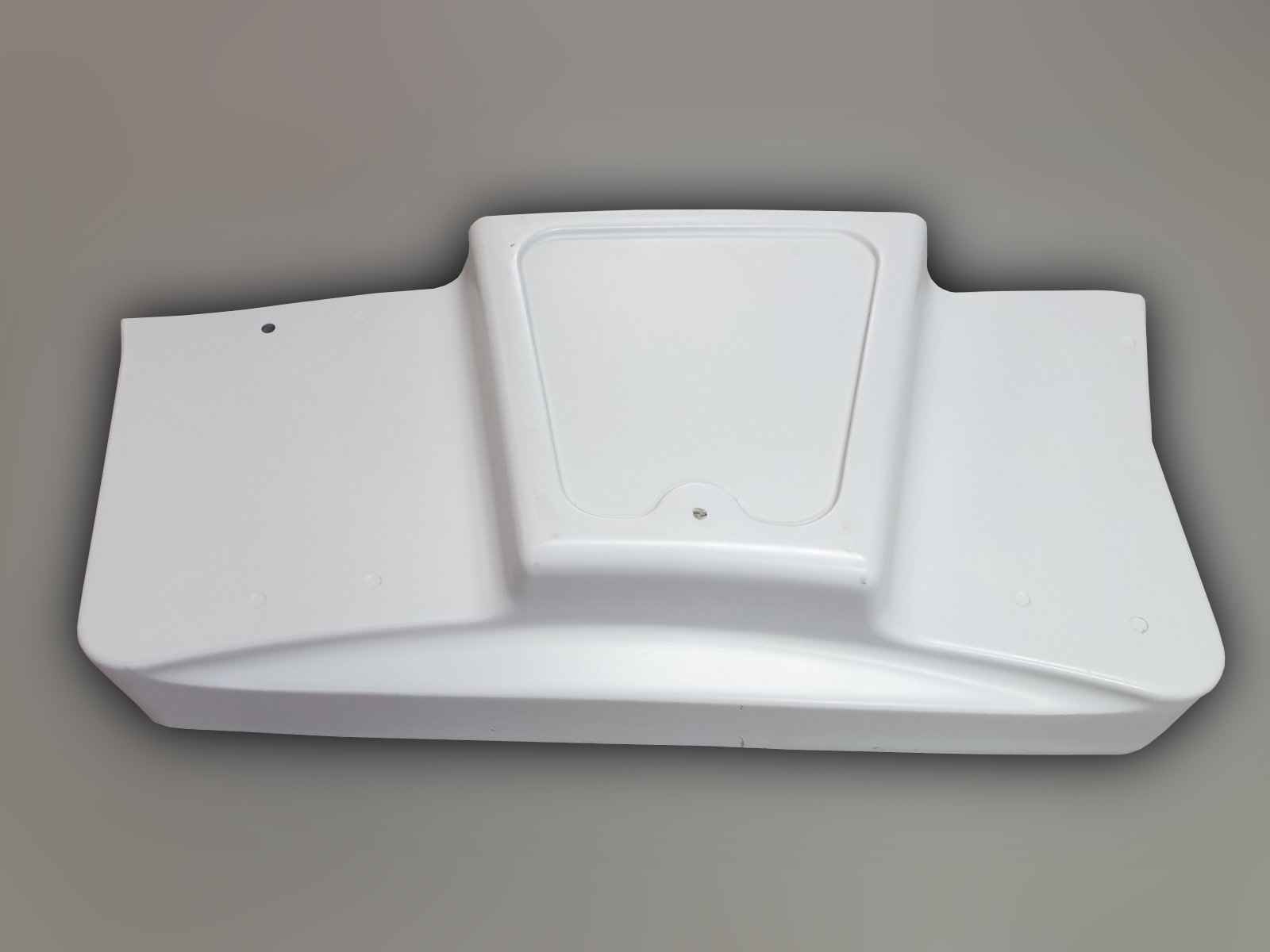
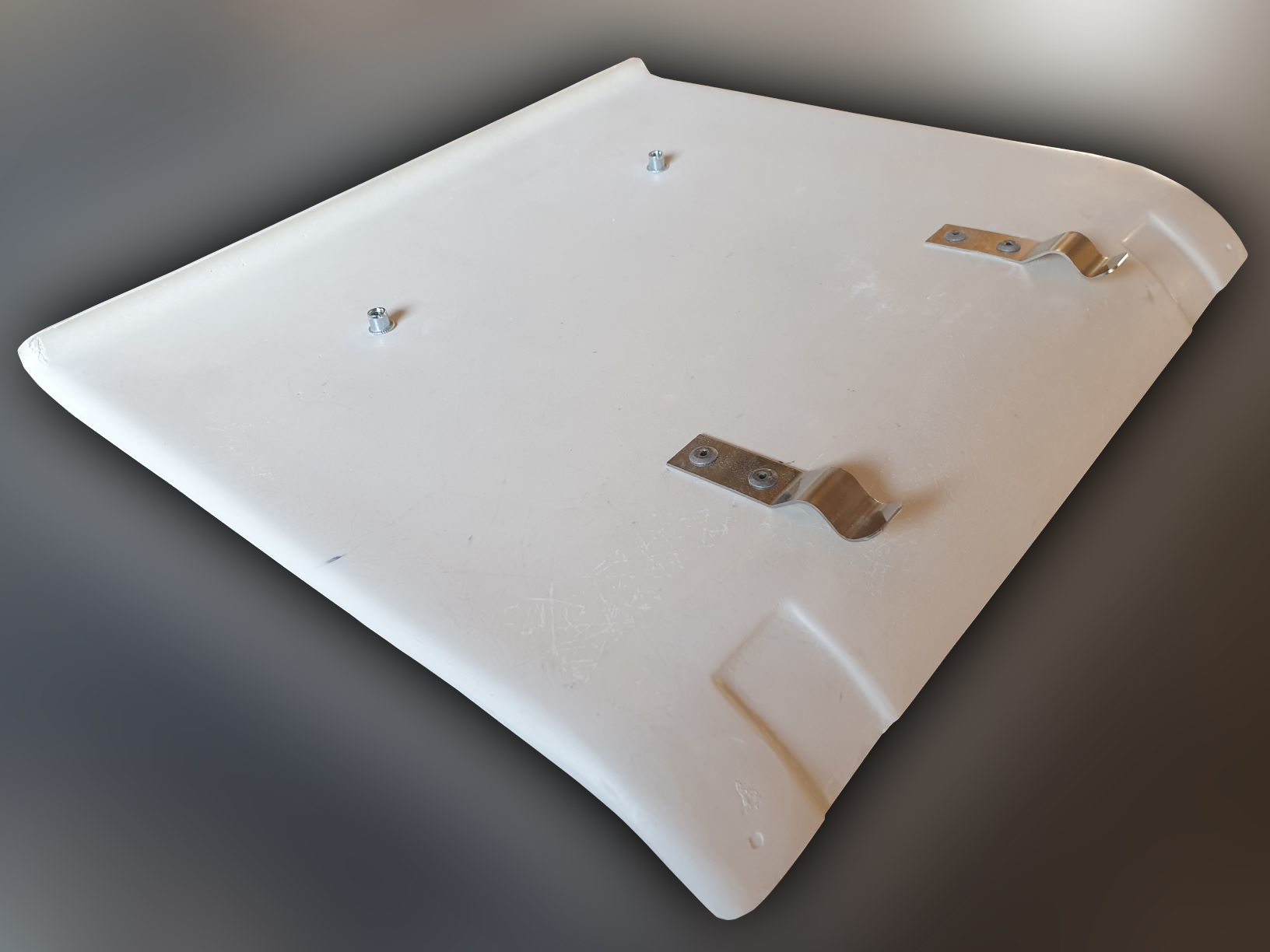
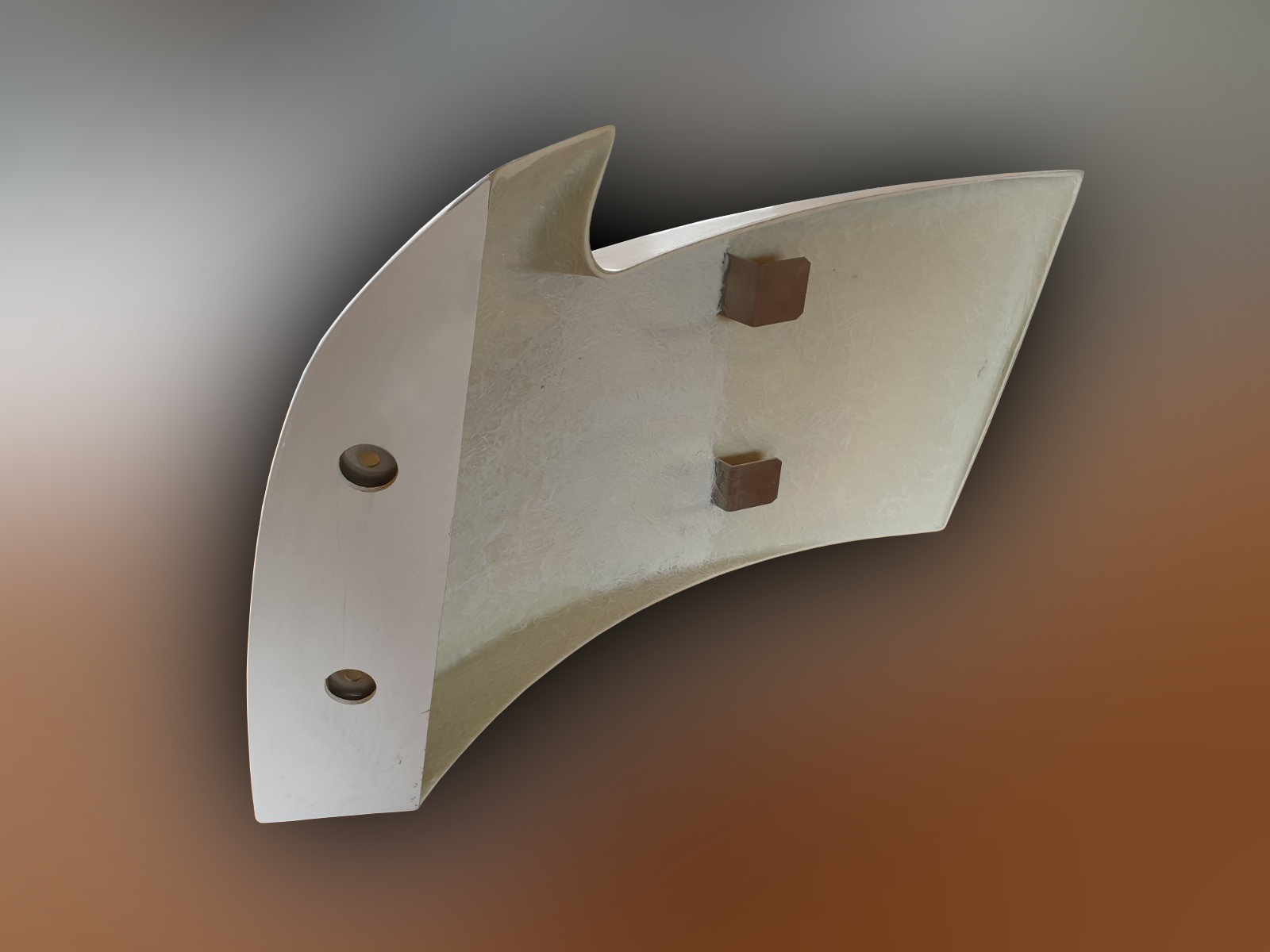
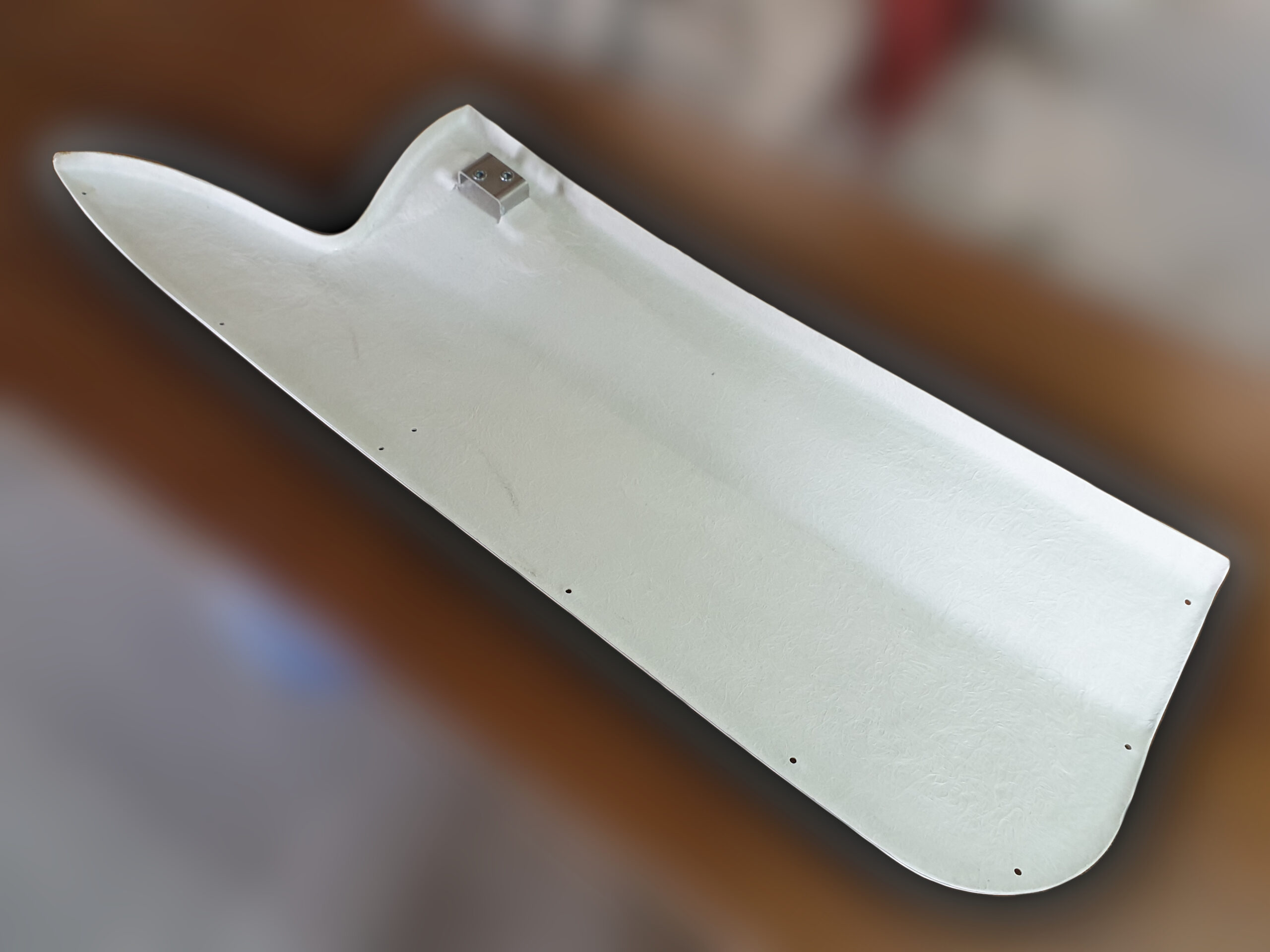
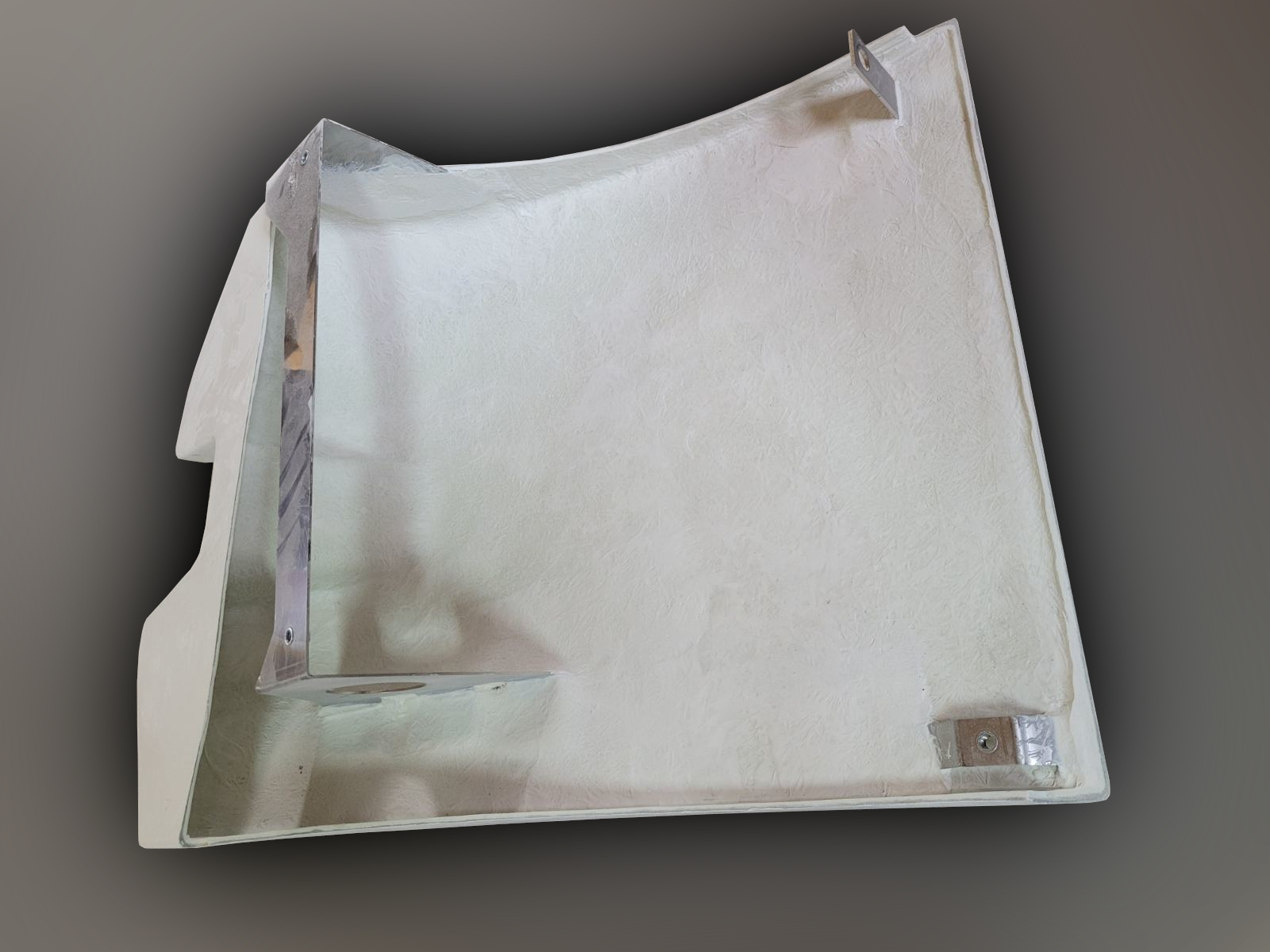
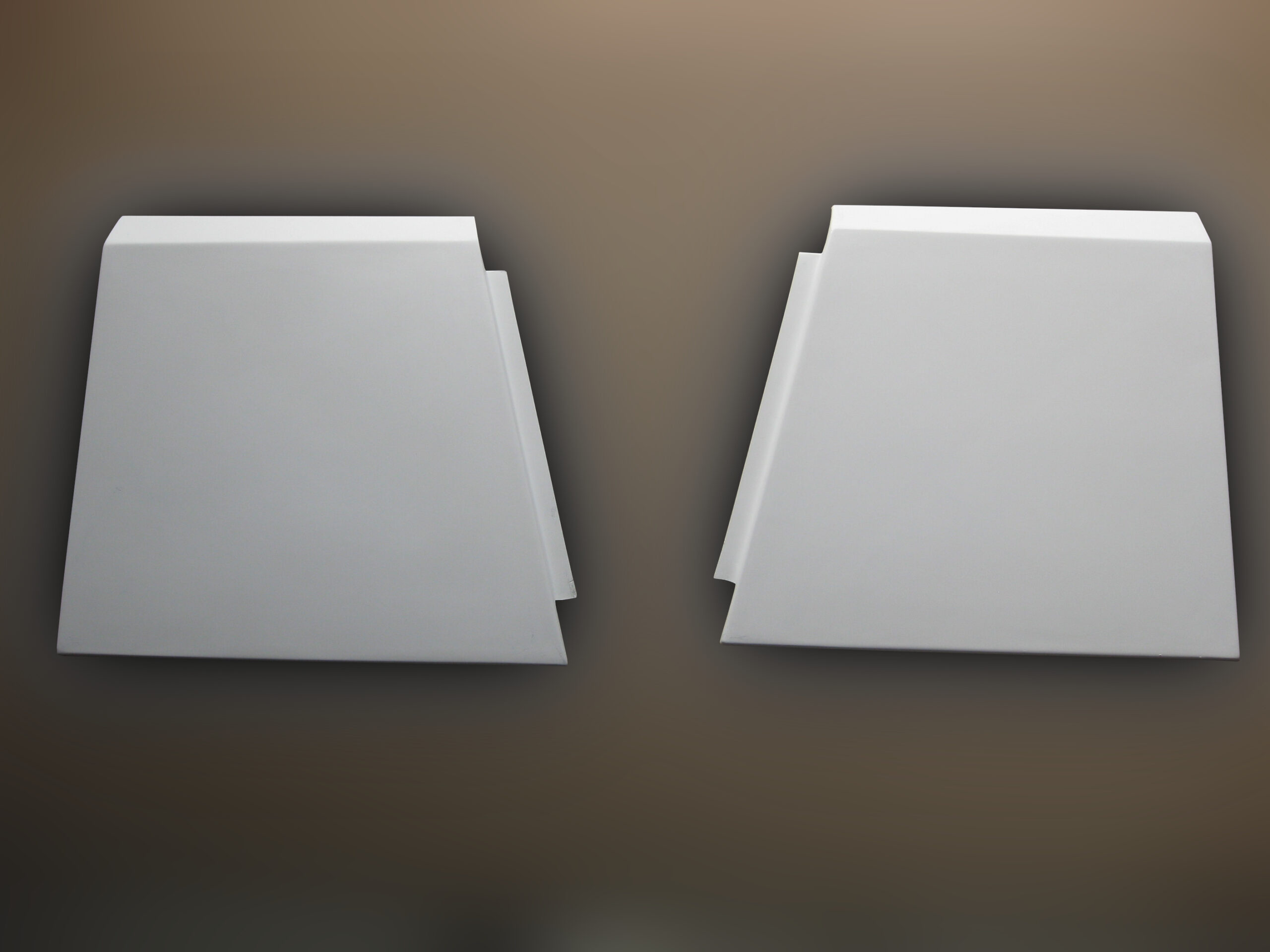
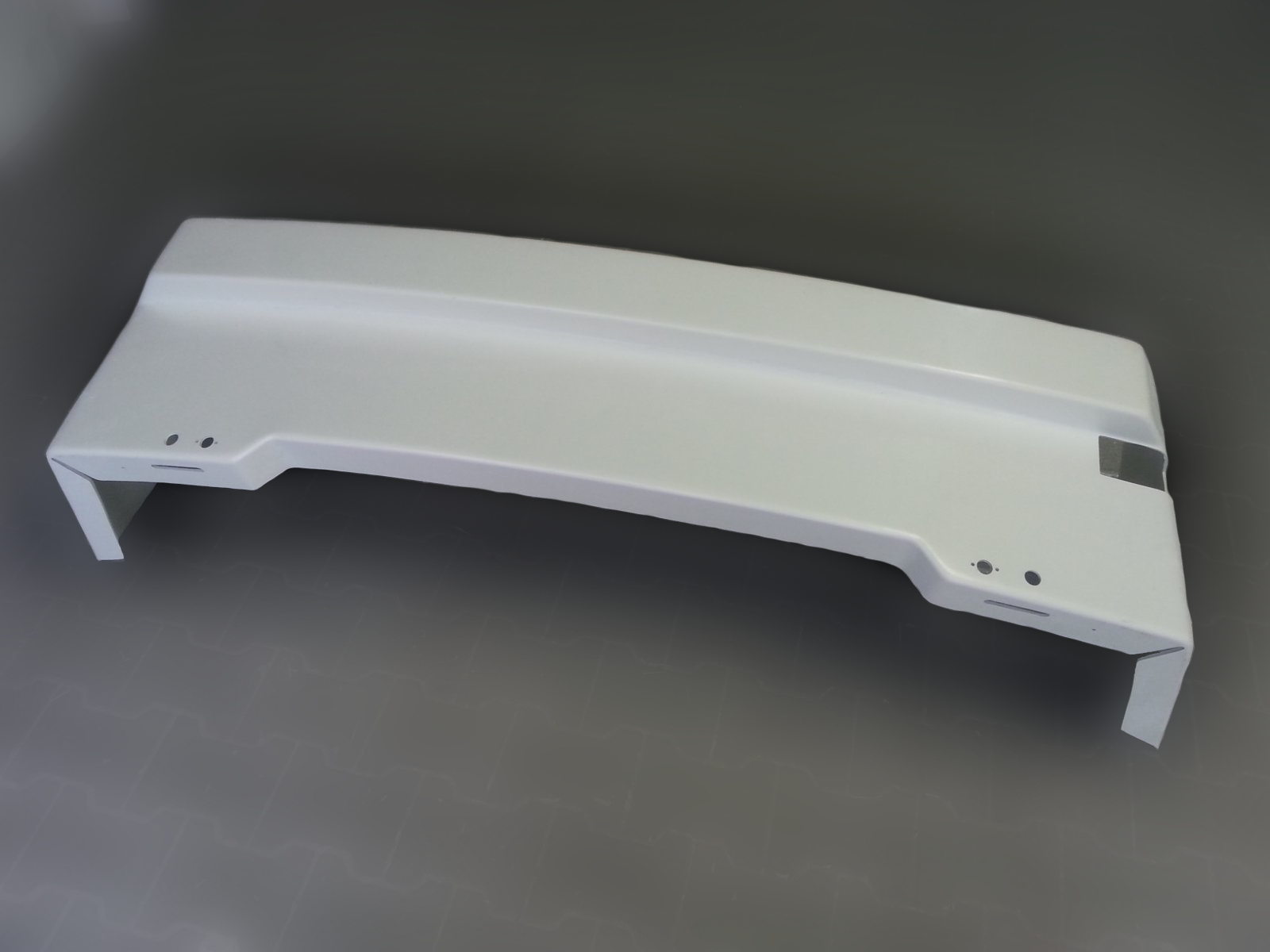
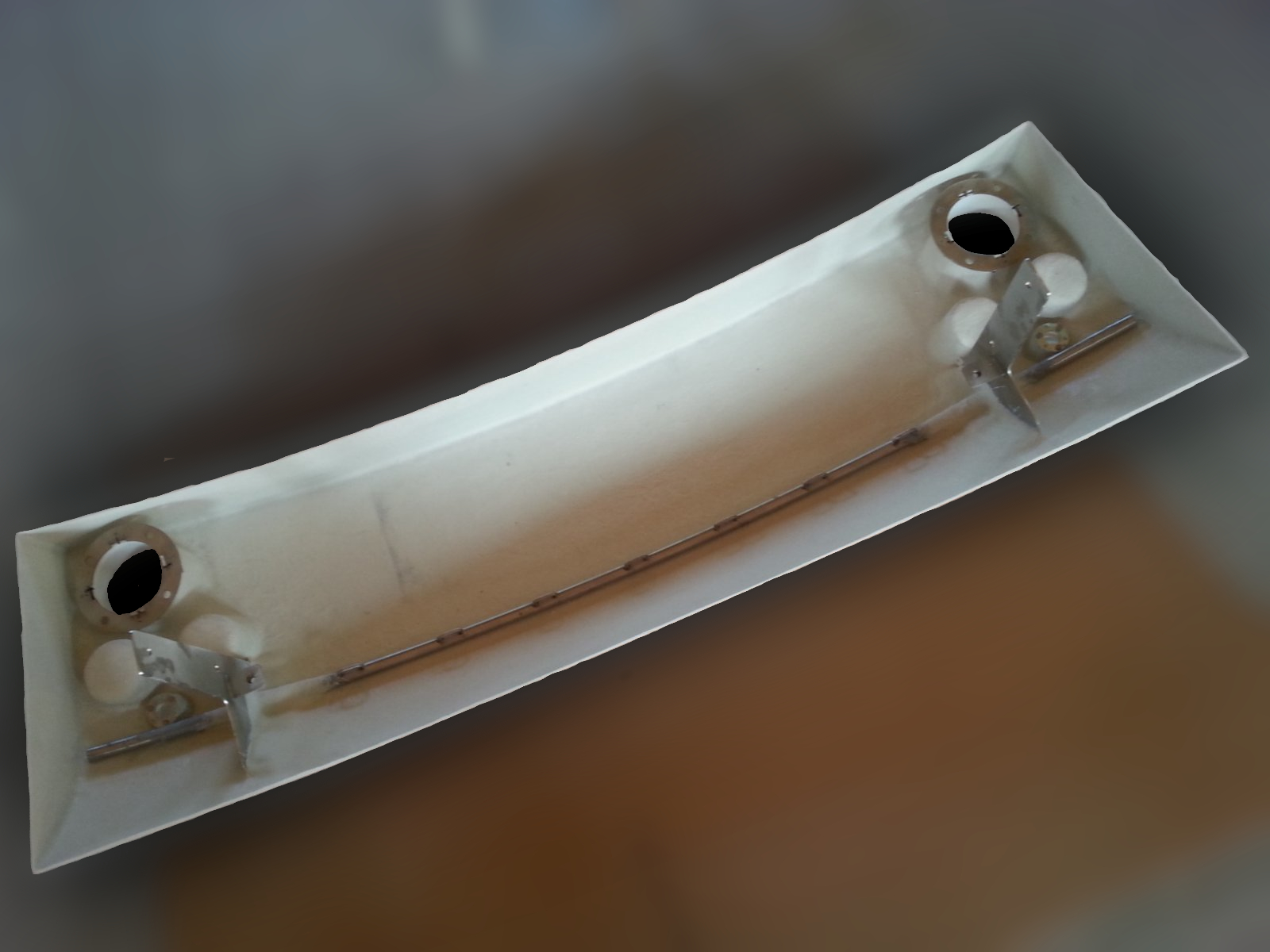
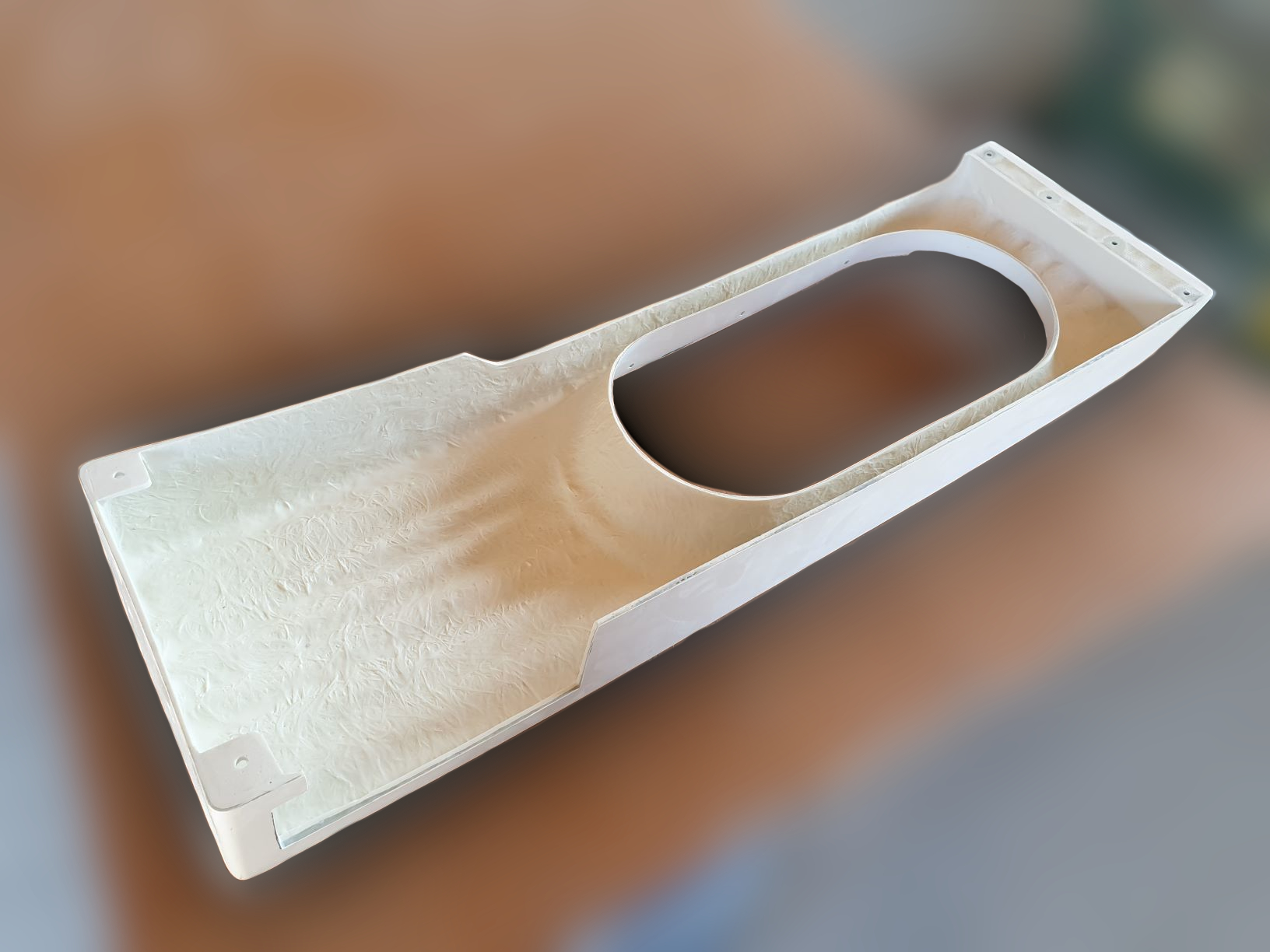
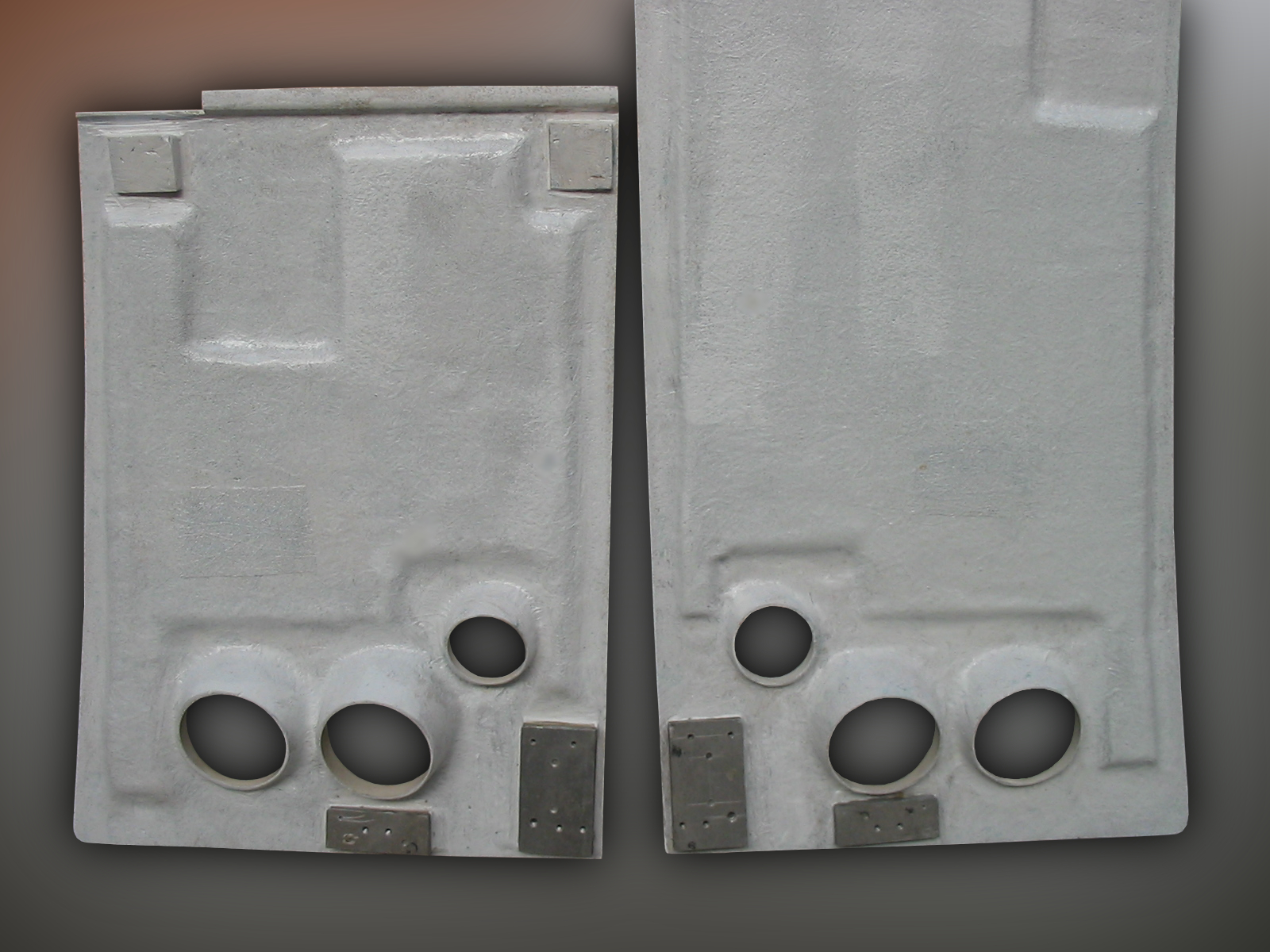
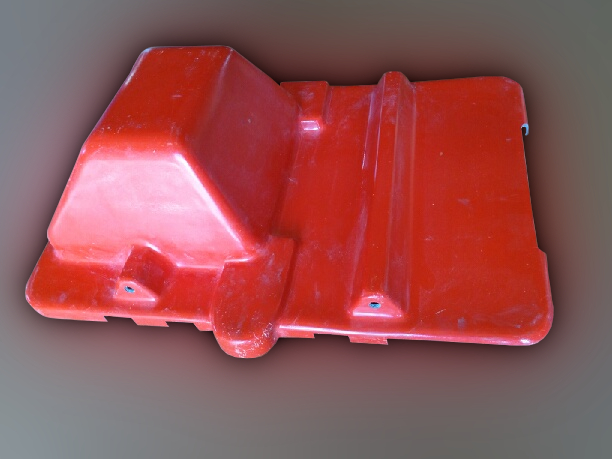
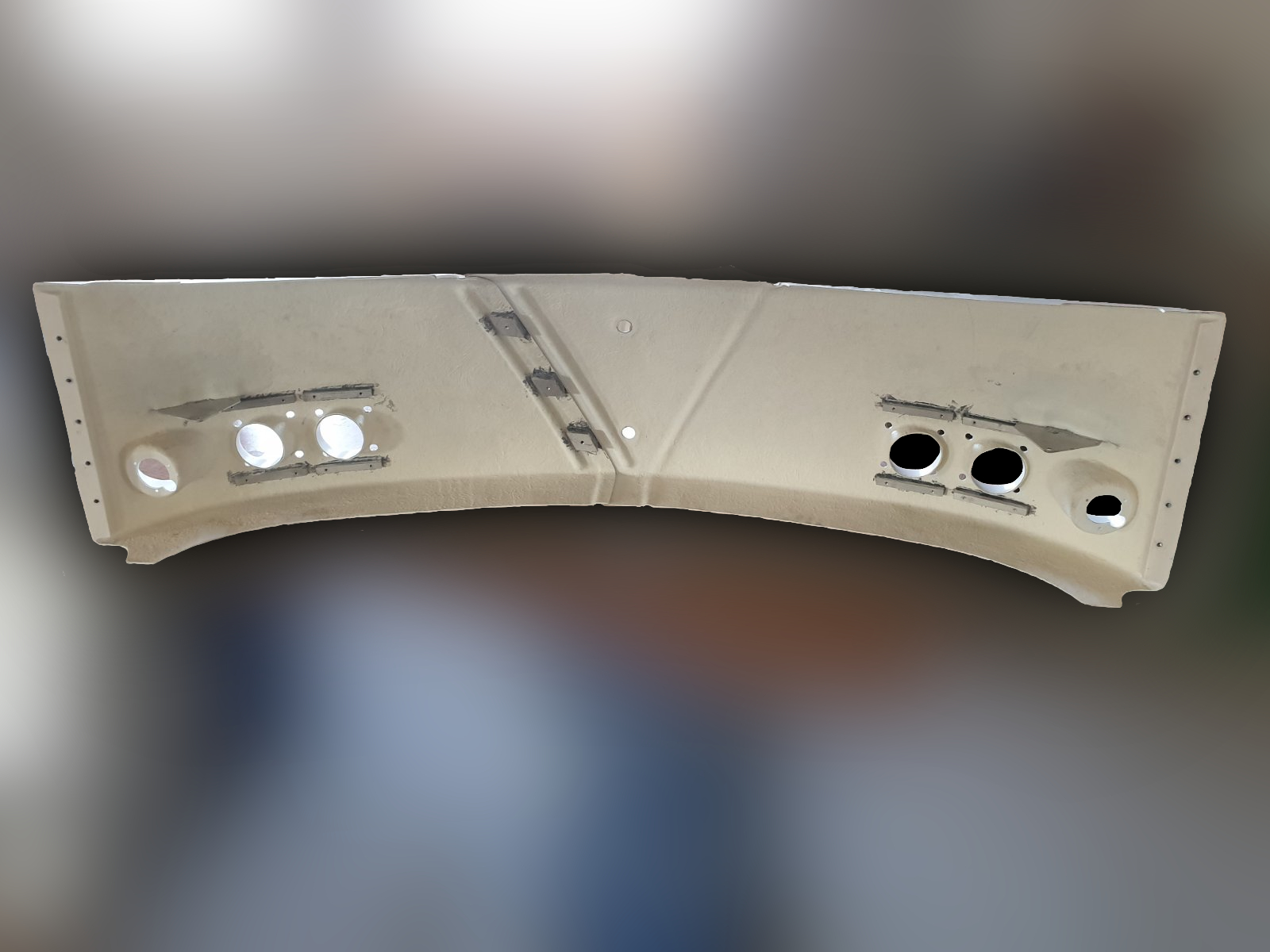
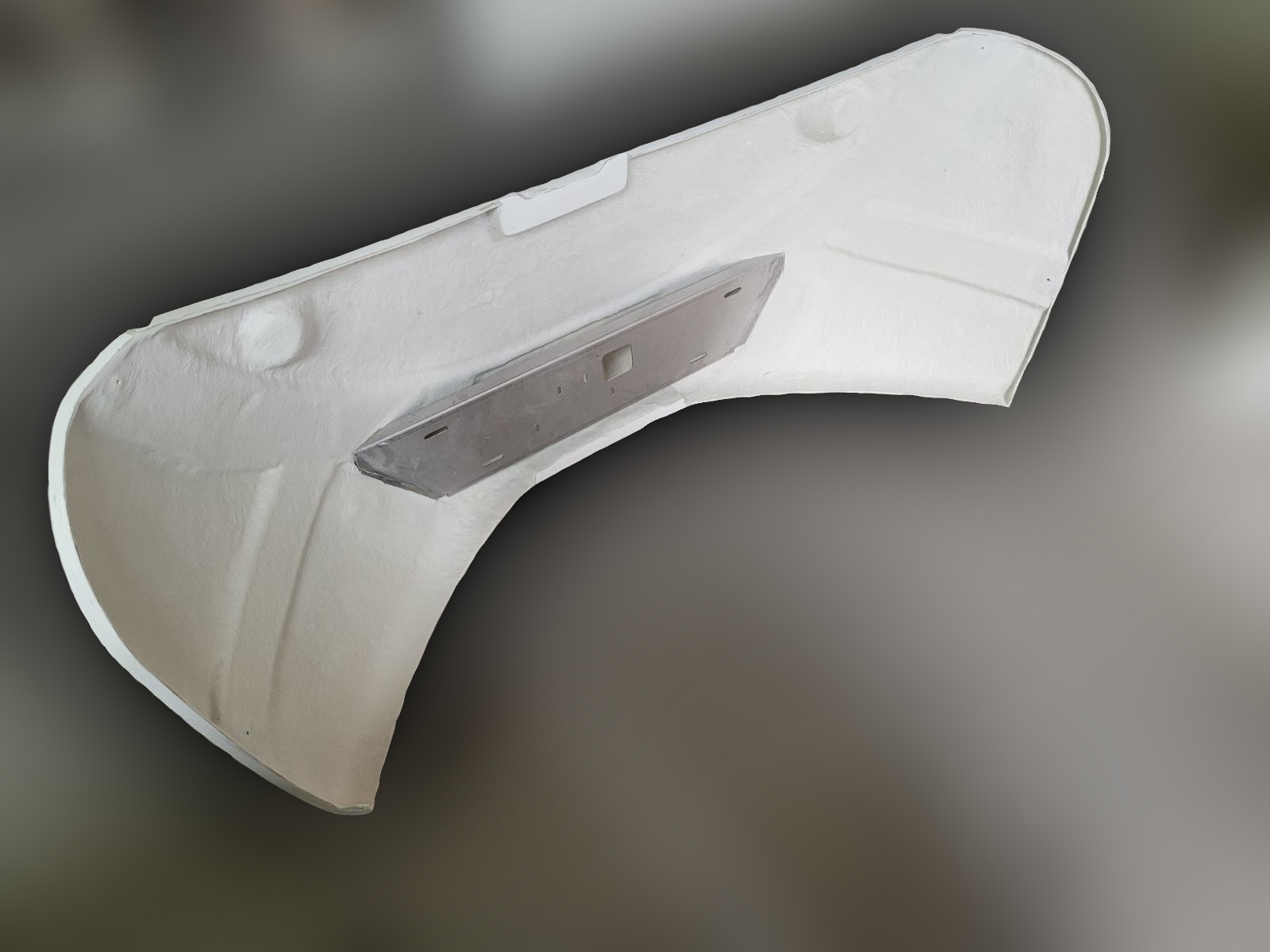
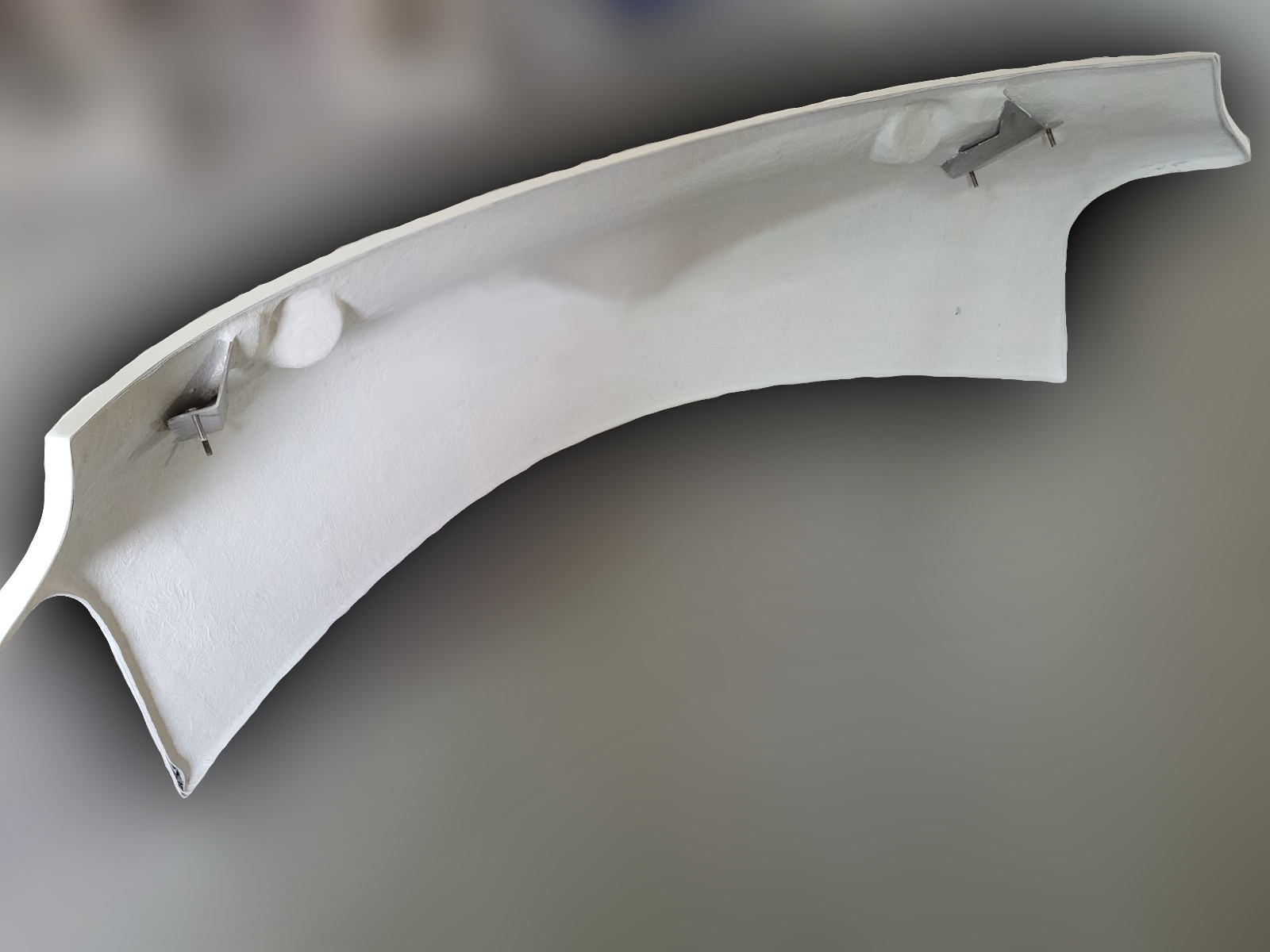
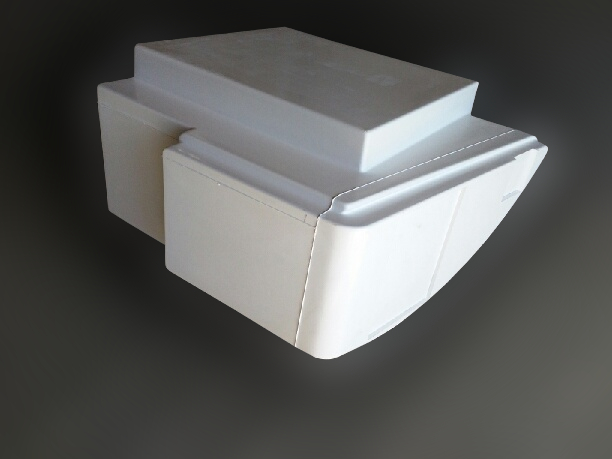
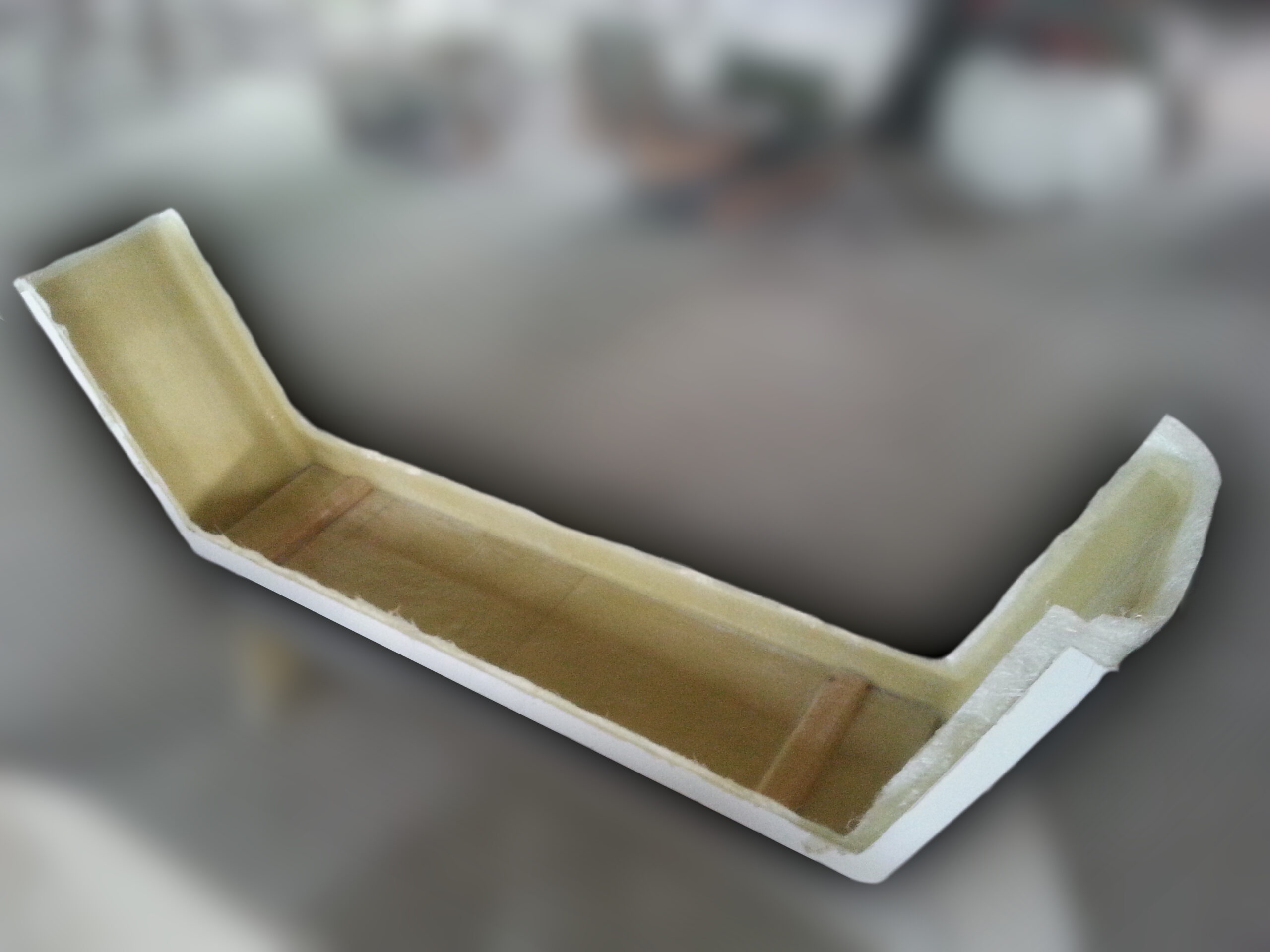
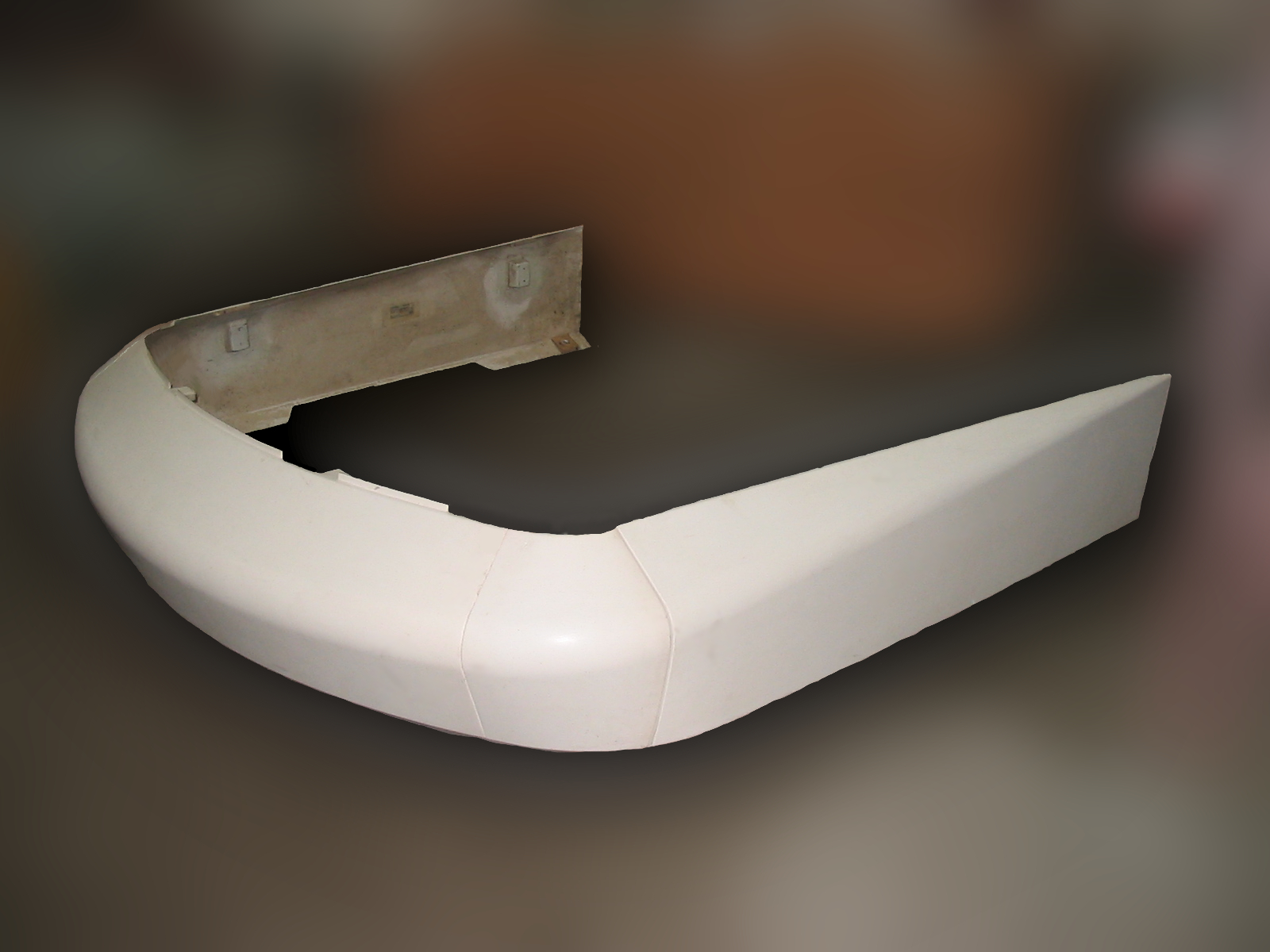
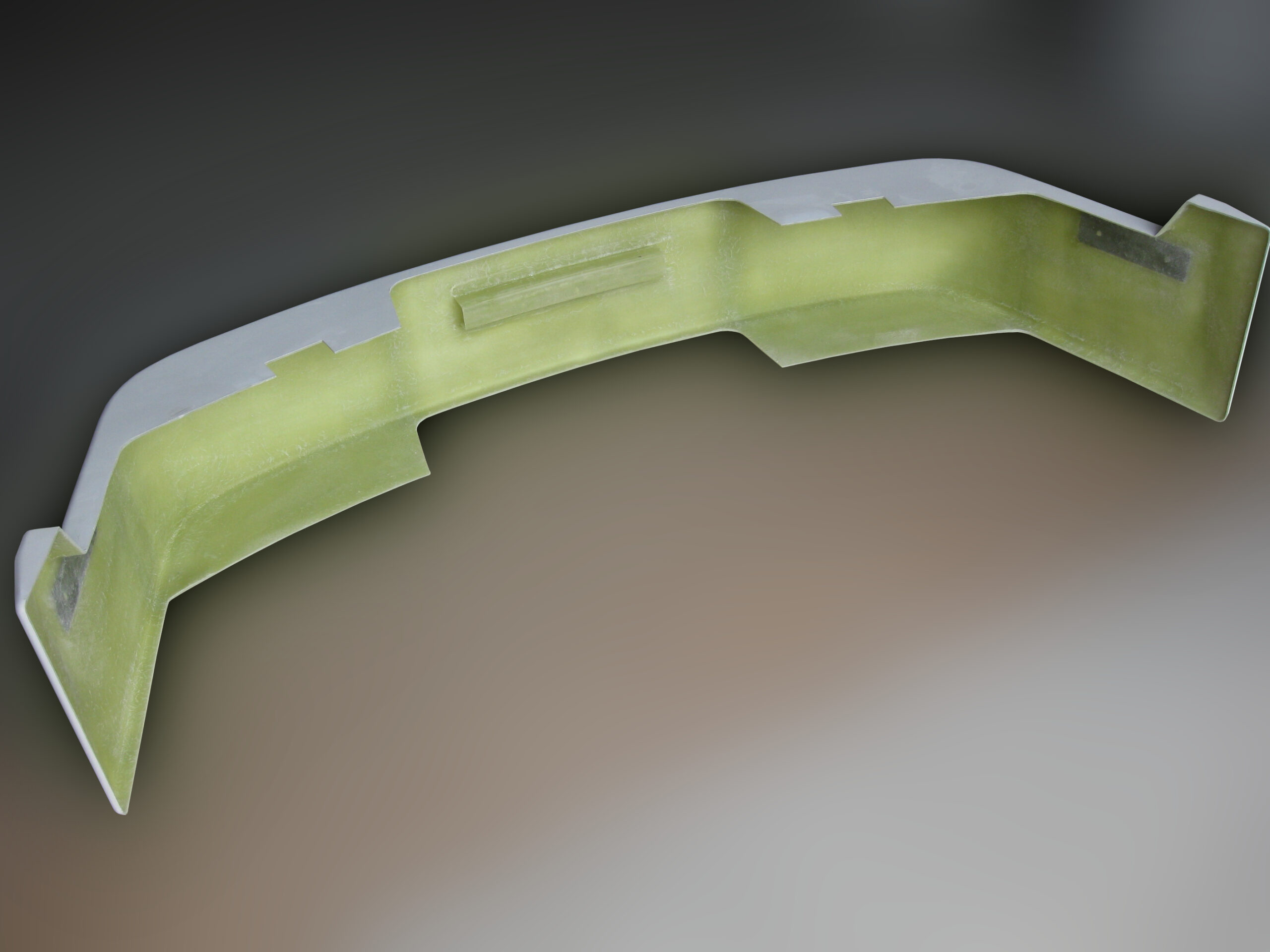
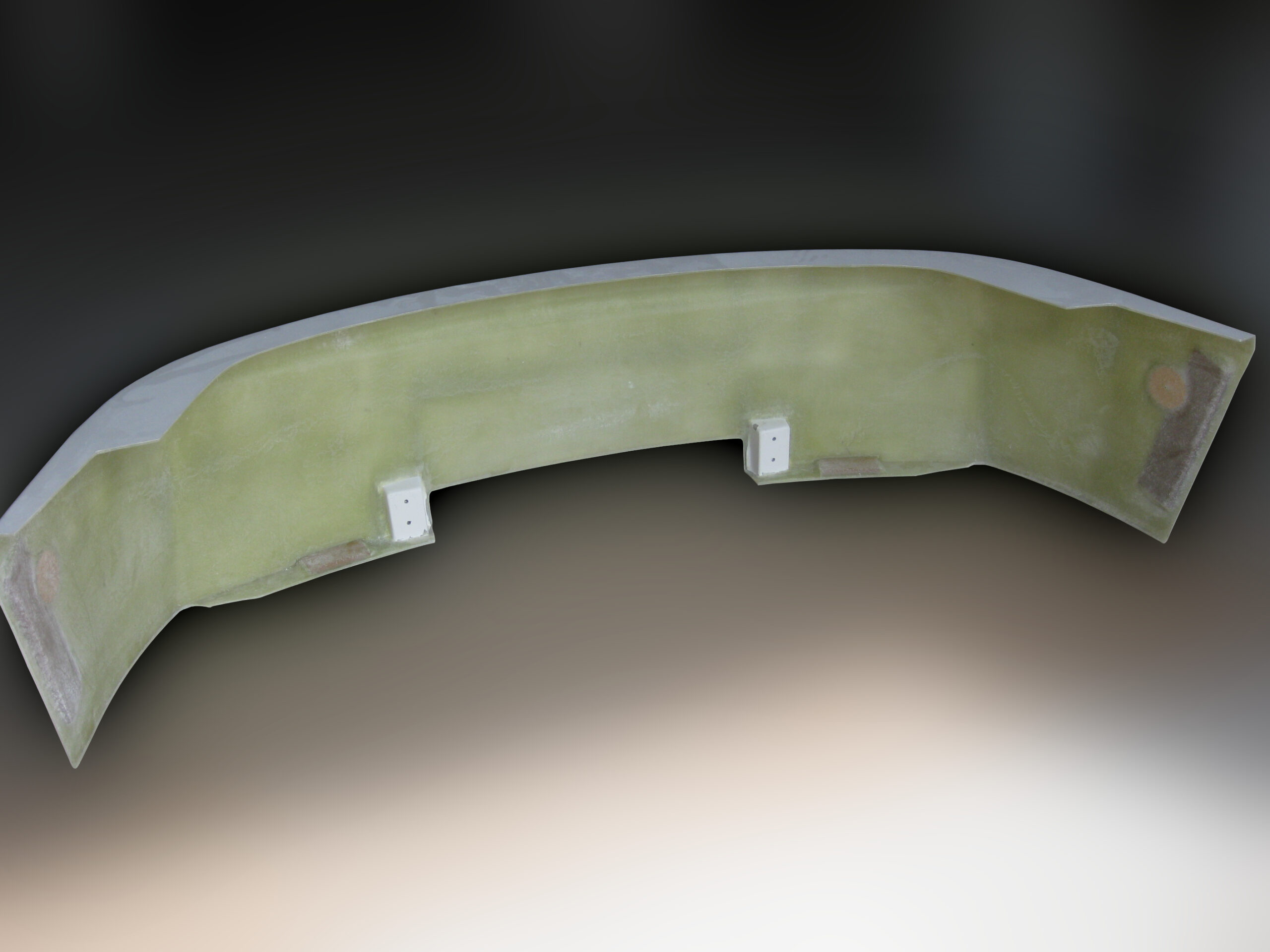
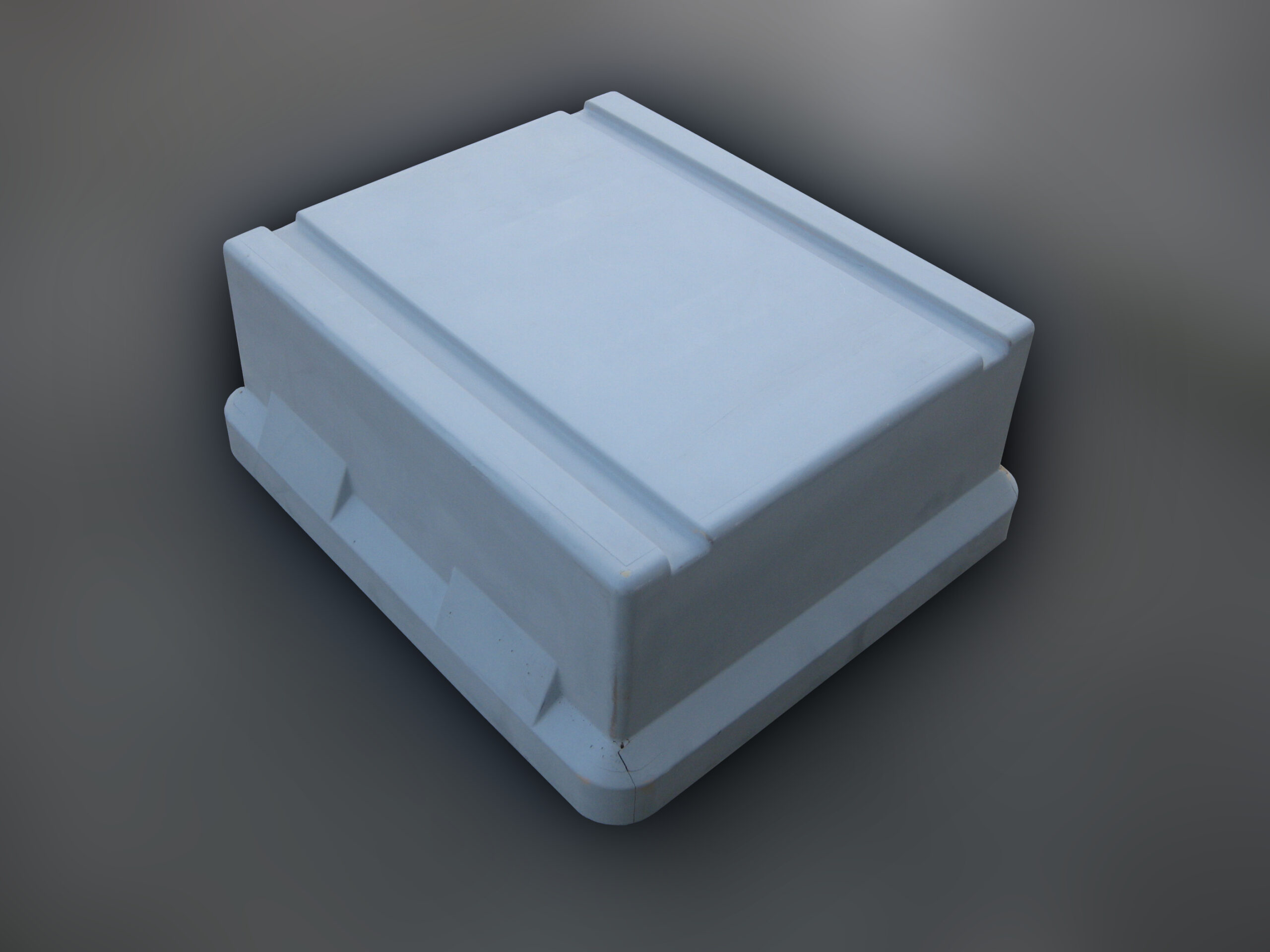
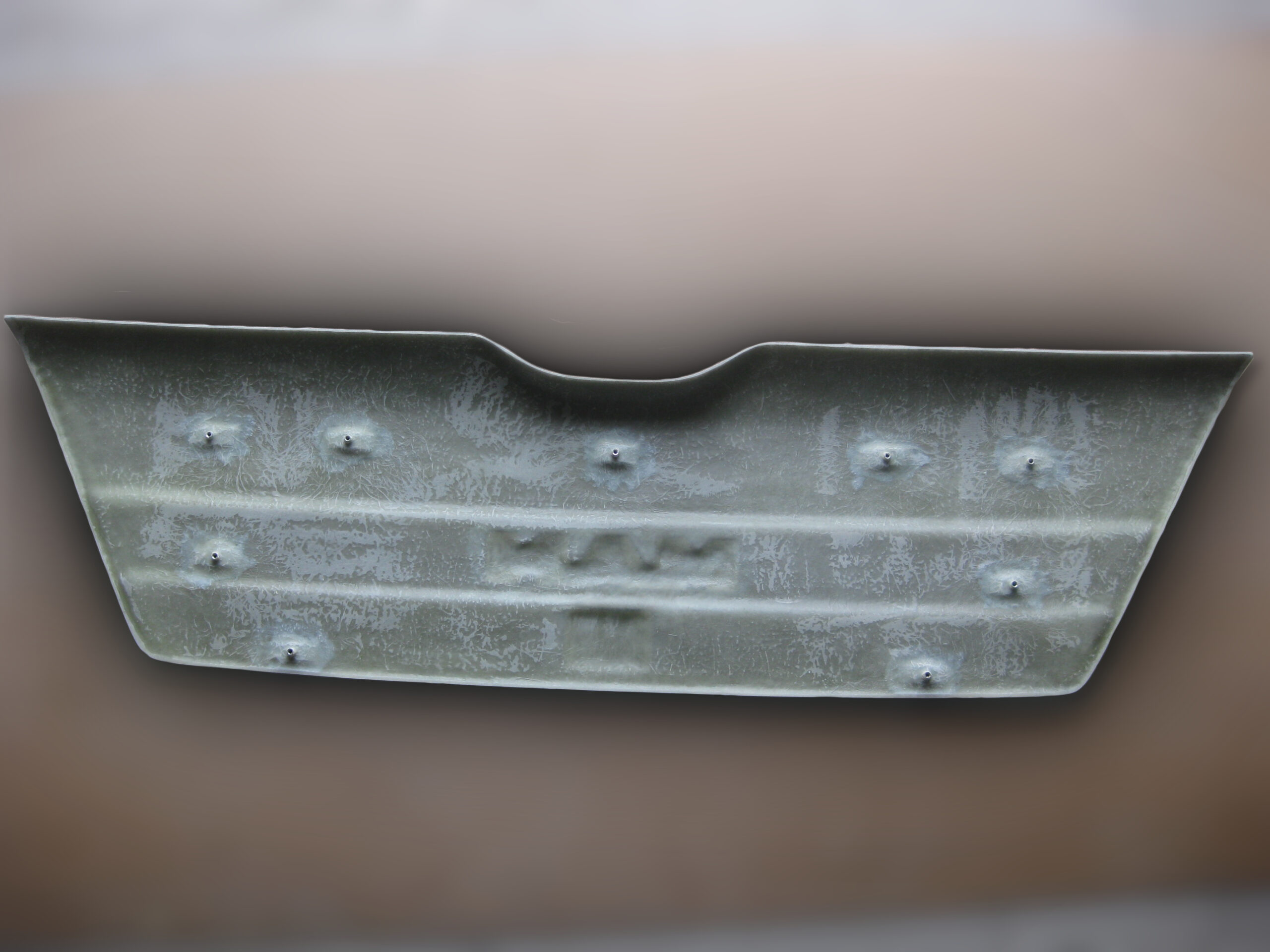
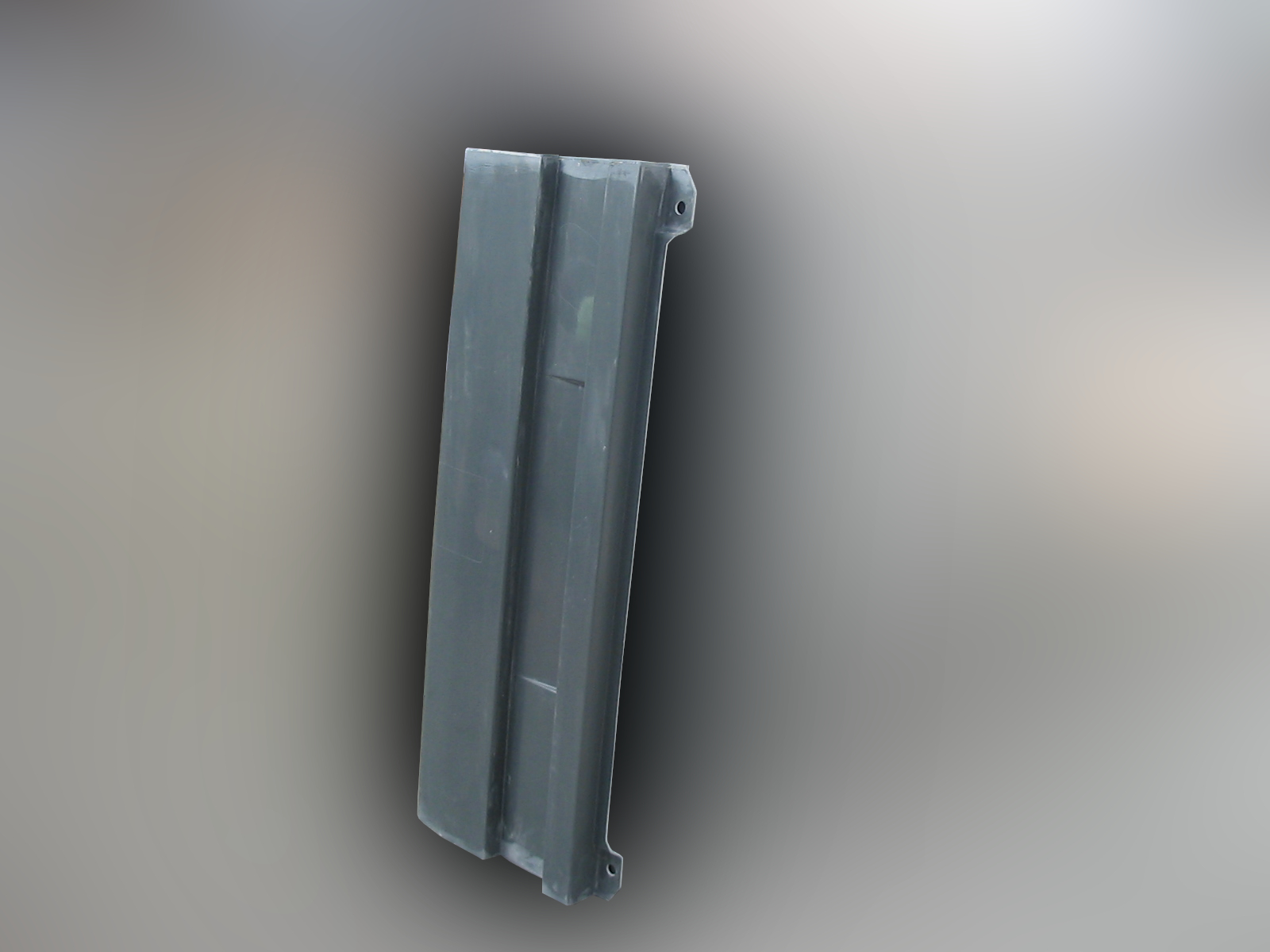
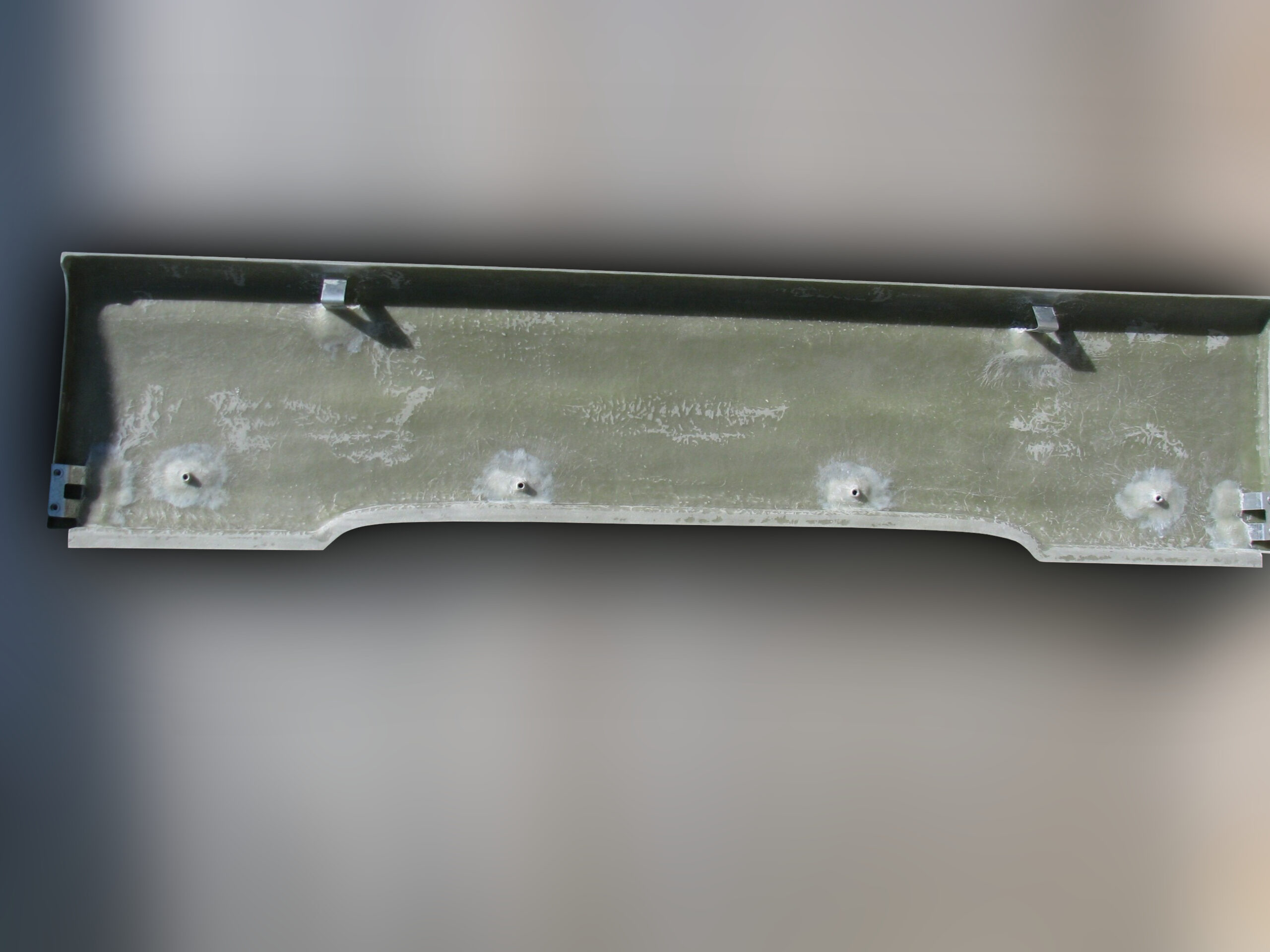
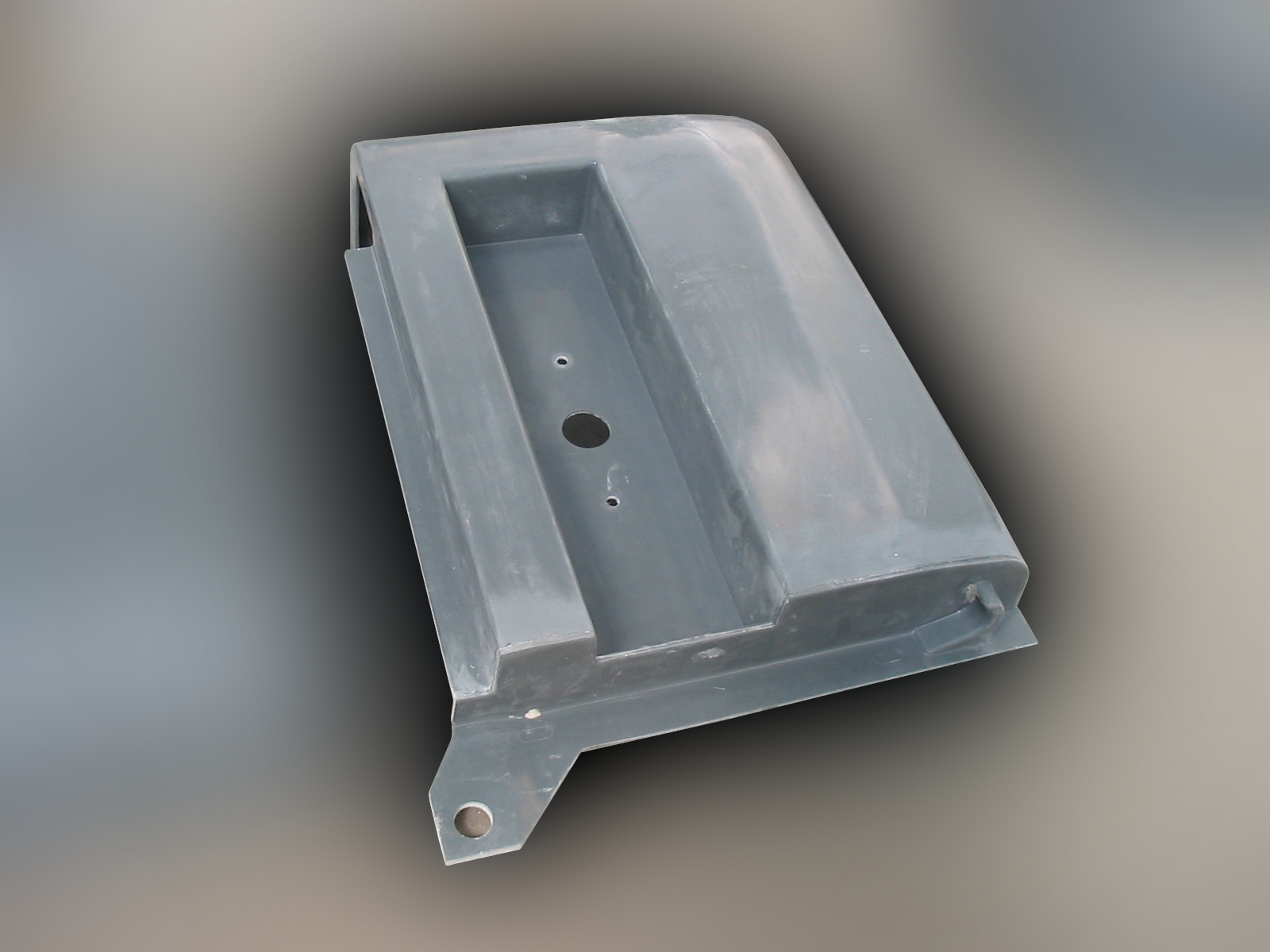
The production of car bodies from thermosets is a groundbreaking solution in the automotive industry, particularly for buses and trams. Thermosets enable the creation of components with complex shapes that are both lightweight and durable. Exterior panels made from this material are resistant to UV radiation, corrosion and chemical agents, ensuring a long service life. We specialise in the production of such components, supplying bumpers, wheel arches, lamp covers and many other body parts that meet strict quality standards.
Thermosets are also used in the production of adhesives, paints and foam materials, which further enhances their versatility in the automotive industry.
Unlike thermoplastics, which can be repeatedly processed and shaped, thermosets retain their properties even under the most demanding operating conditions once cured. We can supply our customers with products of the highest quality, meeting all technical and aesthetic standards.
Manufacturer of bodywork for trams and buses
For over 40 years, we have been manufacturing bodywork components and spare parts for buses and trams using hand-lay-up technology. Glass fibre-reinforced plastics (GRP) enable us to carry out even the most demanding one-off and mass-production projects. We offer the production of bodywork components and interior fittings based on a finished design, technical documentation or a 3D model. We work with polyester resins, including flame-retardant versions, compliant with DIN 5510 and EN 45545 standards.
Manufacturer of parts: bumpers, wheel arches and lamp covers for buses and trams
The process covers all stages: mould preparation, gelcoat spraying, manual laying of fibreglass reinforcement, resin impregnation, rolling, curing and demoulding.
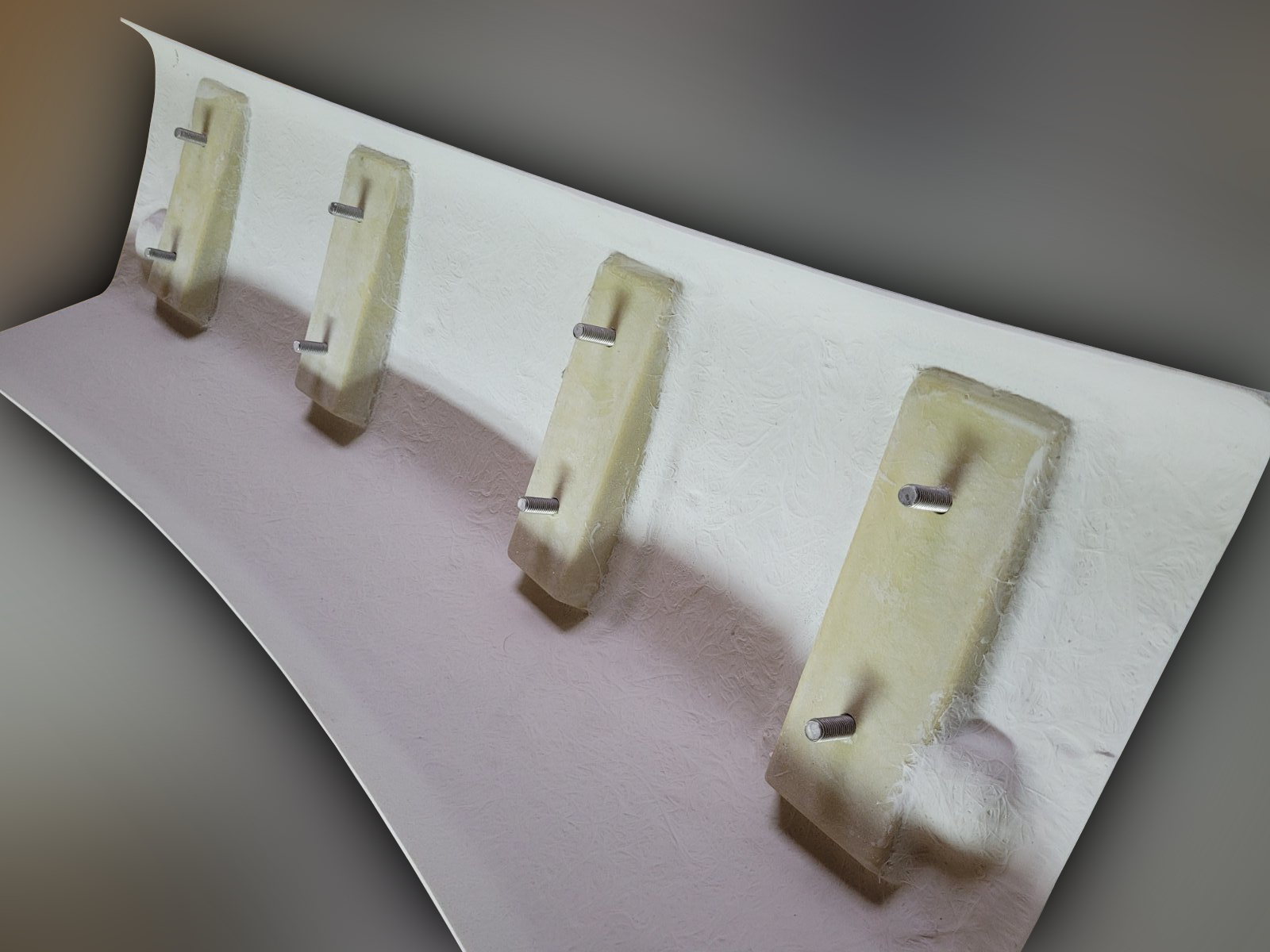
After finishing (from sanding to fitting reinforcements) – every component undergoes quality control. We check the laminate thickness, its saturation, surface condition, dimensional accuracy and workmanship. We can fit the finished product with steel components, carry out painting and arrange delivery.
Our entire production is destined for the German market, which sets high quality standards. If you are looking for a partner who understands the specifics of the industry and can deliver reliable solutions based on GRP technology – please get in touch!
Processing of fibreglass composites
The processing of polyester-glass laminates (GRP/GFK) requires experience and appropriate technological conditions. The material is produced by combining polyester resin with a fibreglass mat, resulting in a composite with an excellent strength-to-weight ratio. The outer visual layer is finished with a gelcoat selected not only for properties such as UV, thermal or chemical resistance. A well-chosen gelcoat protects the surface even in harsh conditions, e.g. under the influence of seawater, moisture or aggressive chemicals.
Material with this structure can be used to produce both lightweight and durable components with complex shapes. GRP is characterised by a long service life, corrosion resistance, dimensional stability and mechanical strength, even in demanding environments. It is ideal for transport, mechanical engineering, the marine industry and the energy sector.
At STOLAM, we carry out the full process of fibreglass composite fabrication. If you need a reliable partner for the production of GRP components, we’d be happy to discuss your requirements. Please get in touch!
Projects











Interested?
Contact us