


Thermoplastics – what are they and how are they used in the manufacture of tanks and dosing systems?
Thermoplastics are versatile – durable, chemically resistant, yet easy to process and remould. Their unique feature is that, when heated, they become malleable and can be shaped as required, and upon cooling, they return to a solid state without losing their properties. This process can be repeated many times, making them a versatile, durable and cost-effective material. At STOLAM, we focus on the practical application of thermoplastics in the manufacture of industrial tanks, tubs, safety pallets and cabinets for dosing systems – primarily made from polyethylene (PE), polypropylene (PP) and polyvinyl chloride (PVC).
What are thermoplastics?
Thermoplastics are plastics that soften at elevated temperatures and harden again upon cooling. This allows them to be remelted and moulded repeatedly – without losing their mechanical or chemical properties. They are not the same as thermosetting plastics.
Thermoplastics are widely used in many industries. The most commonly used thermoplastics include:
- PE (polyethylene) – lightweight, flexible, resistant to most acids and alkalis,
- PP (polypropylene) – resistant to higher temperatures, ideal for chemical installations,
- PVC (polyvinyl chloride) – a rigid material, resistant to weather conditions and chemicals.
Properties of thermoplastics
Thermoplastics are lightweight, easy to process and resistant to contact with aggressive substances. They can be shaped by bending, thermoforming, heat sealing or hot-air welding. Their chemical resistance and lack of susceptibility to corrosion make them popular in environments where other materials wear out quickly.
Properties and applications of
thermoplastics
Thermoplastics are used in almost every sector, from heavy industry to everyday items. In the packaging sector, they are used to manufacture bottles, films, trays and containers, thanks to their lightness and mouldability.
In the construction industry, they are used in the production of pipes, window profiles, floor panels and as cable insulation. The automotive industry utilises them in technical components – such as covers, bumpers and small mechanical parts.
Thermoplastics are also found in everyday items, including furniture, toys and kitchen containers. Synthetic fibres, such as nylon and polyester, are used in textiles, clothing and carpets. In electronics, however, they serve as a material for device casings and cable insulation. Their wide range of functional properties allows them to be tailored to the specific requirements of each of these fields.
Corrosion resistance
Thermoplastics do not react with moisture or most chemicals, making them an excellent alternative to steel in environments prone to corrosion. Tanks, vats and other components made from PE or PP demonstrate durability even when exposed to acids, alkalis and solvents over long periods.
Density and flexibility of plastics
Materials such as PE or PP are lightweight yet mechanically strong. They can be moulded into components of various shapes and thicknesses, tailored to specific loads. It is possible to manufacture large-scale tanks without the need for additional metal reinforcement.
Thermoplastics – in industry
At STOLAM, we focus on the practical application of the properties of PE, PP and PVC. These materials are used in industrial, chemical, food and laboratory installations. They are resistant to temperature and chemicals, yet easy to process and assemble, making them the ideal choice for the production of durable and leak-proof tanks, cabinets and safety components.
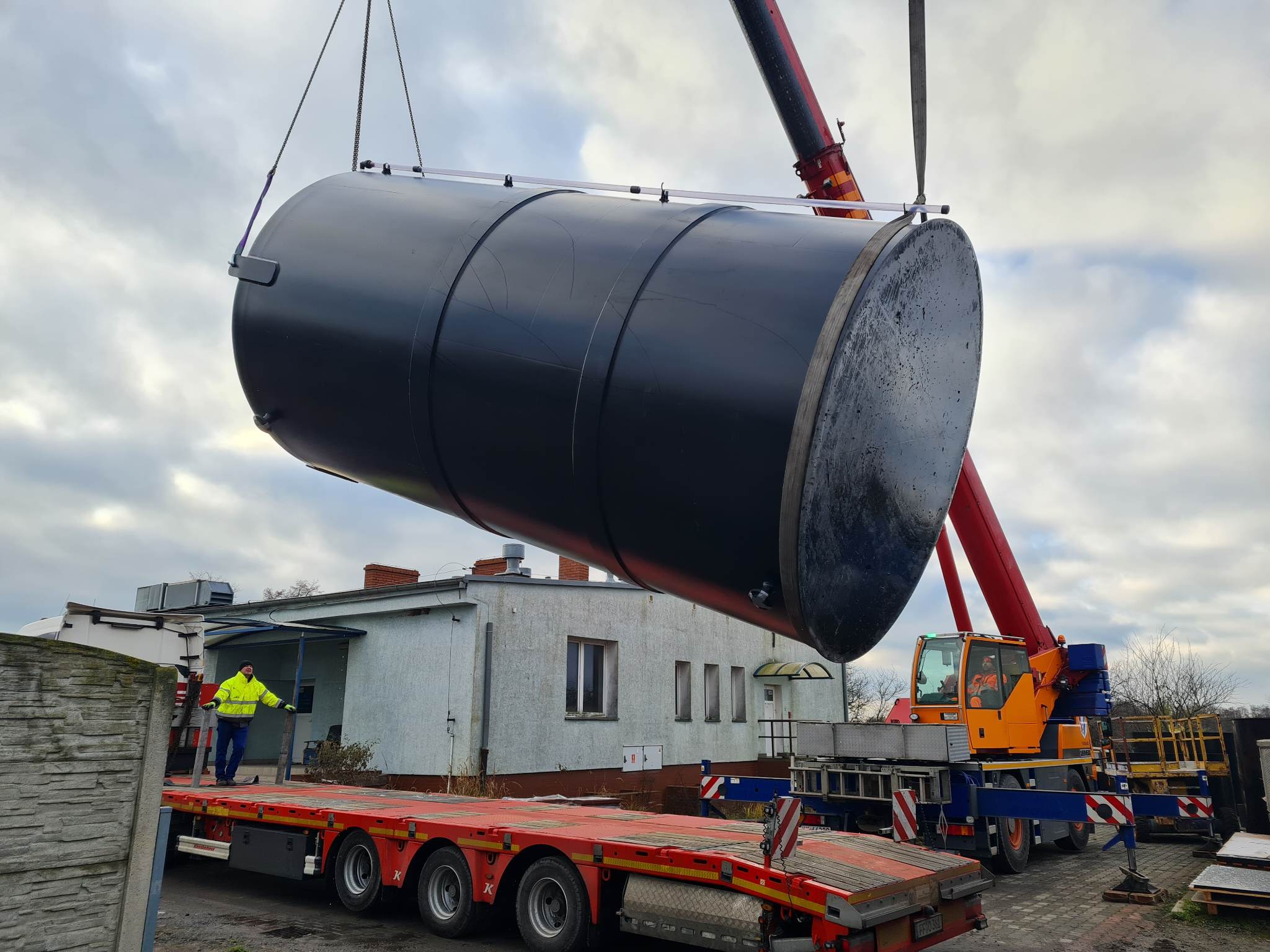
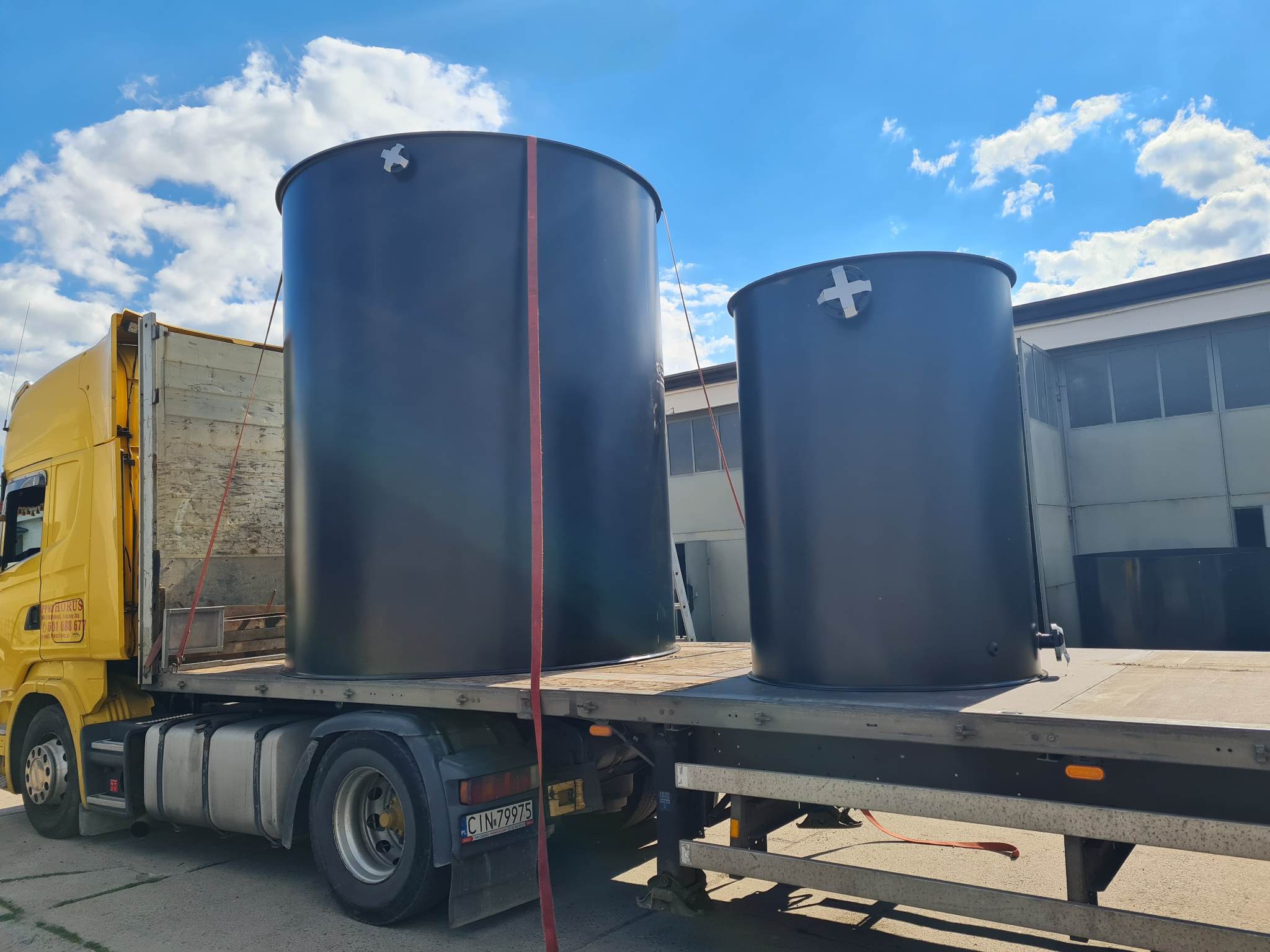
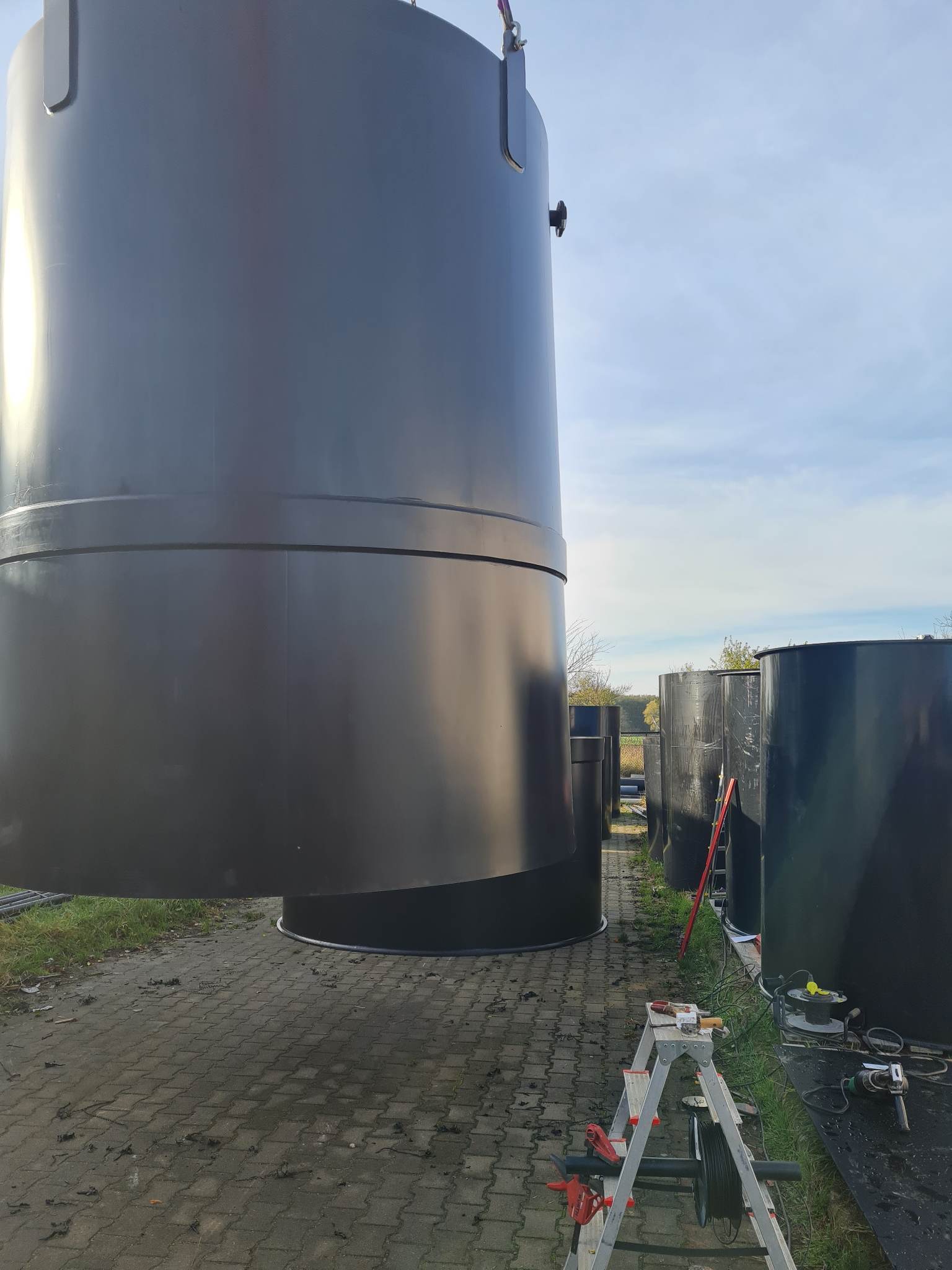
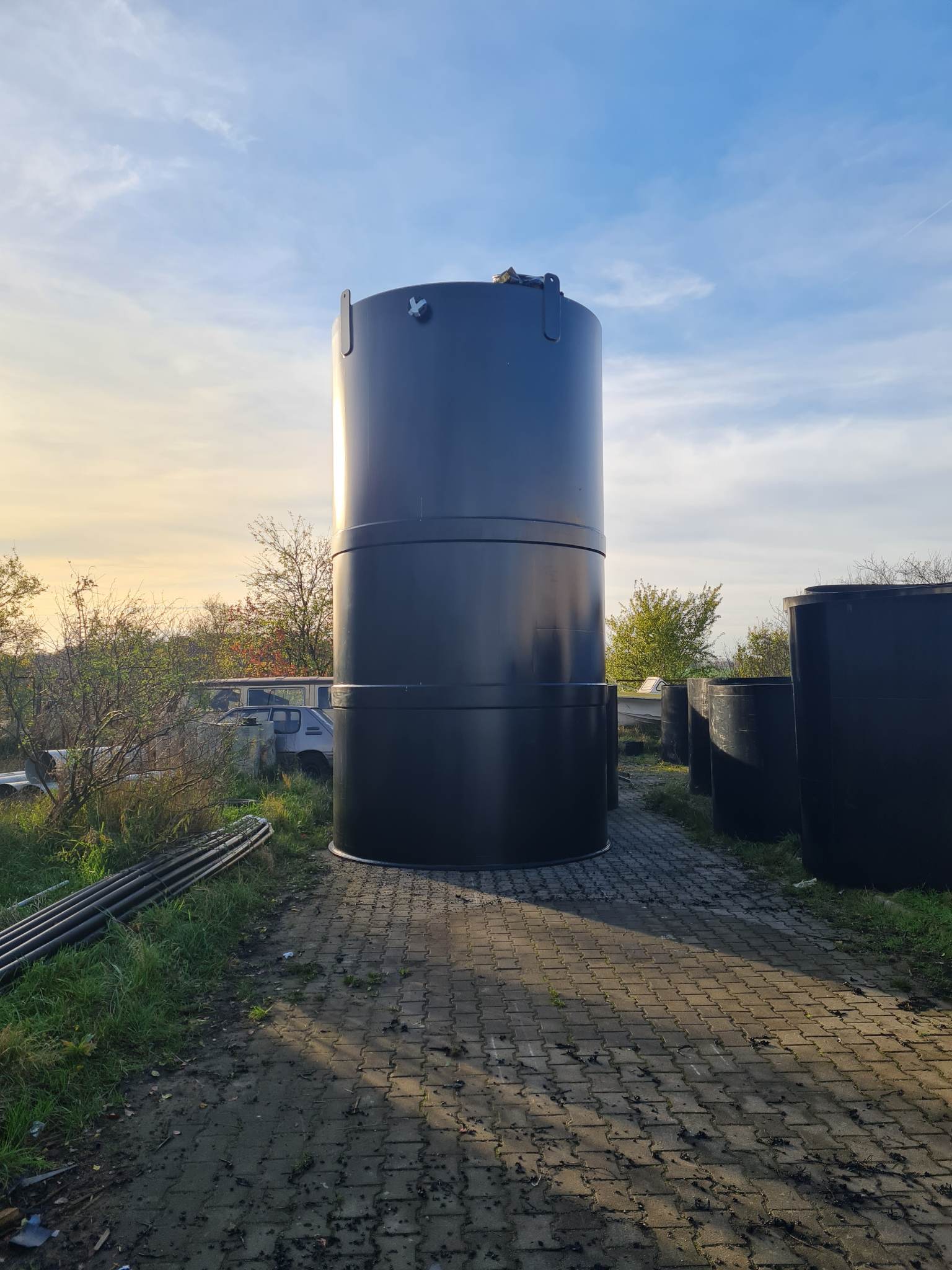
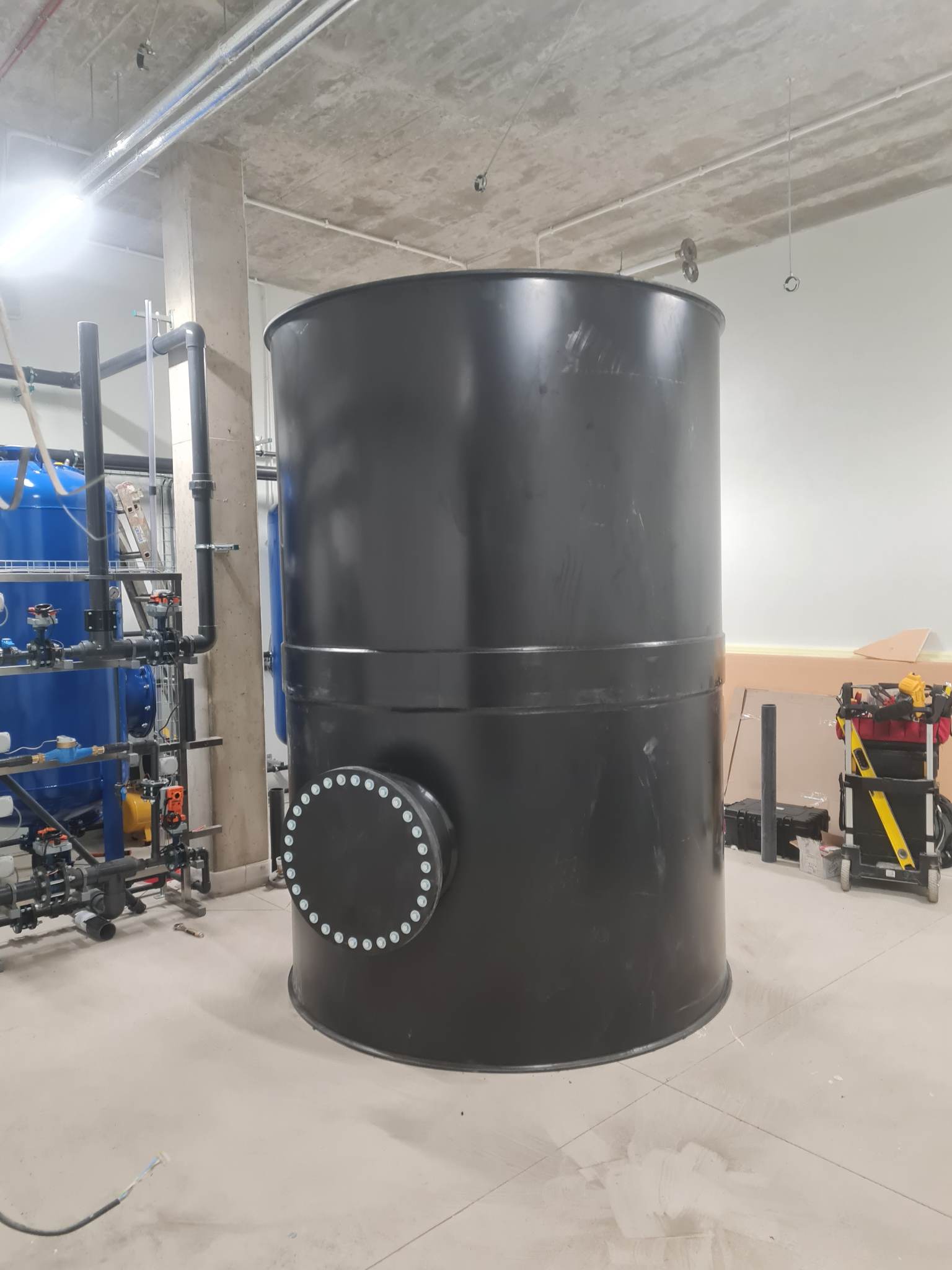
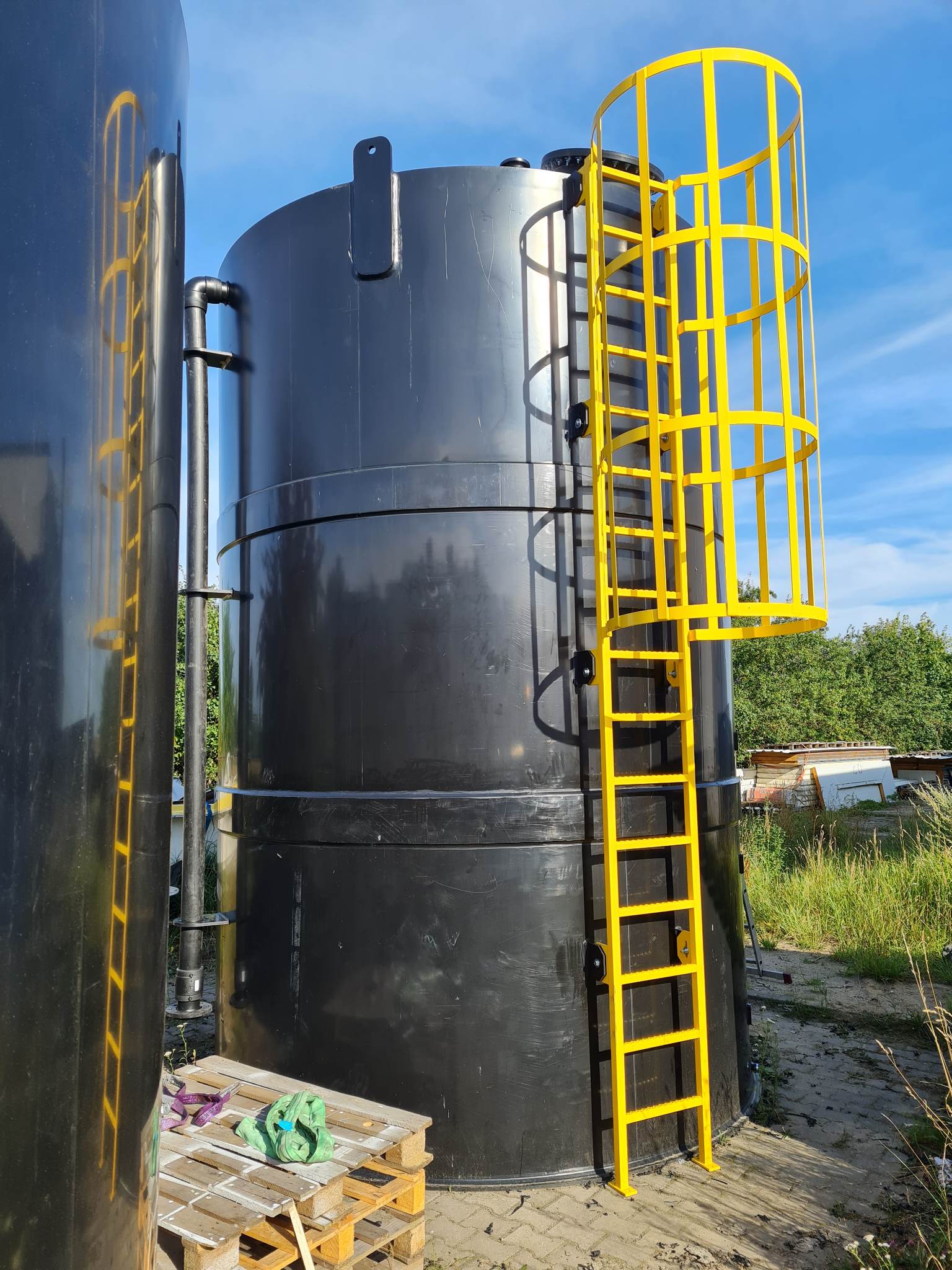
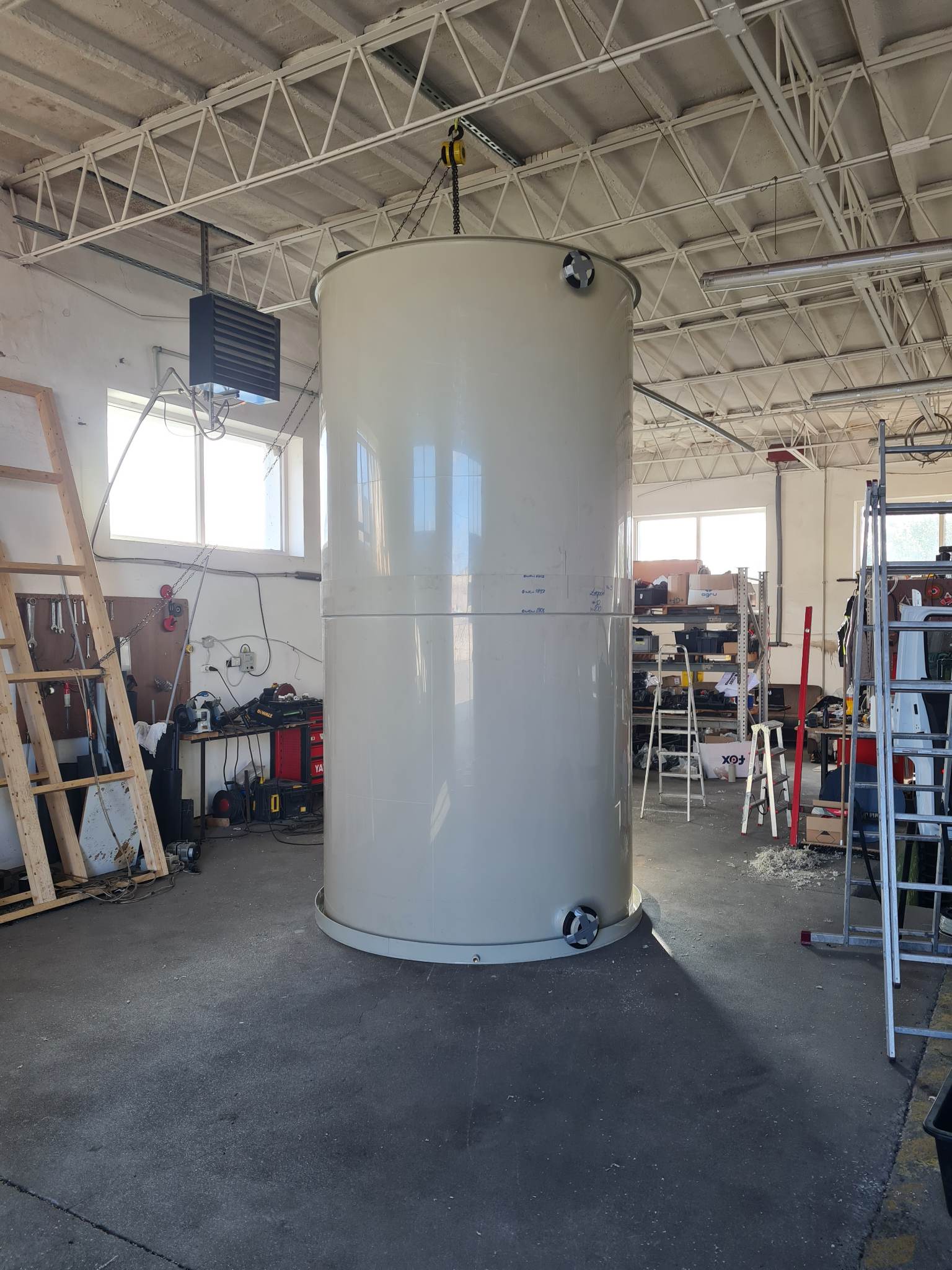
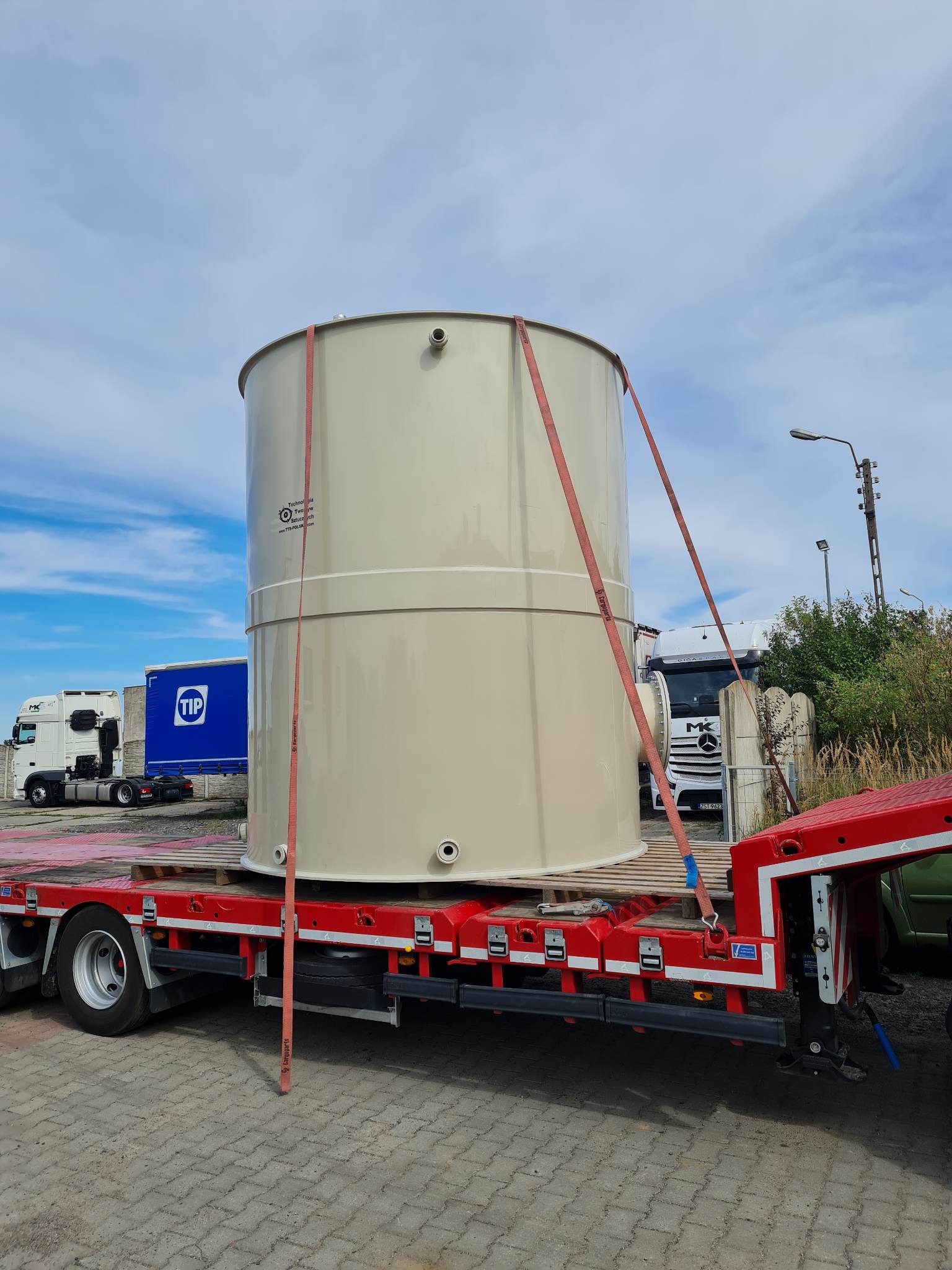
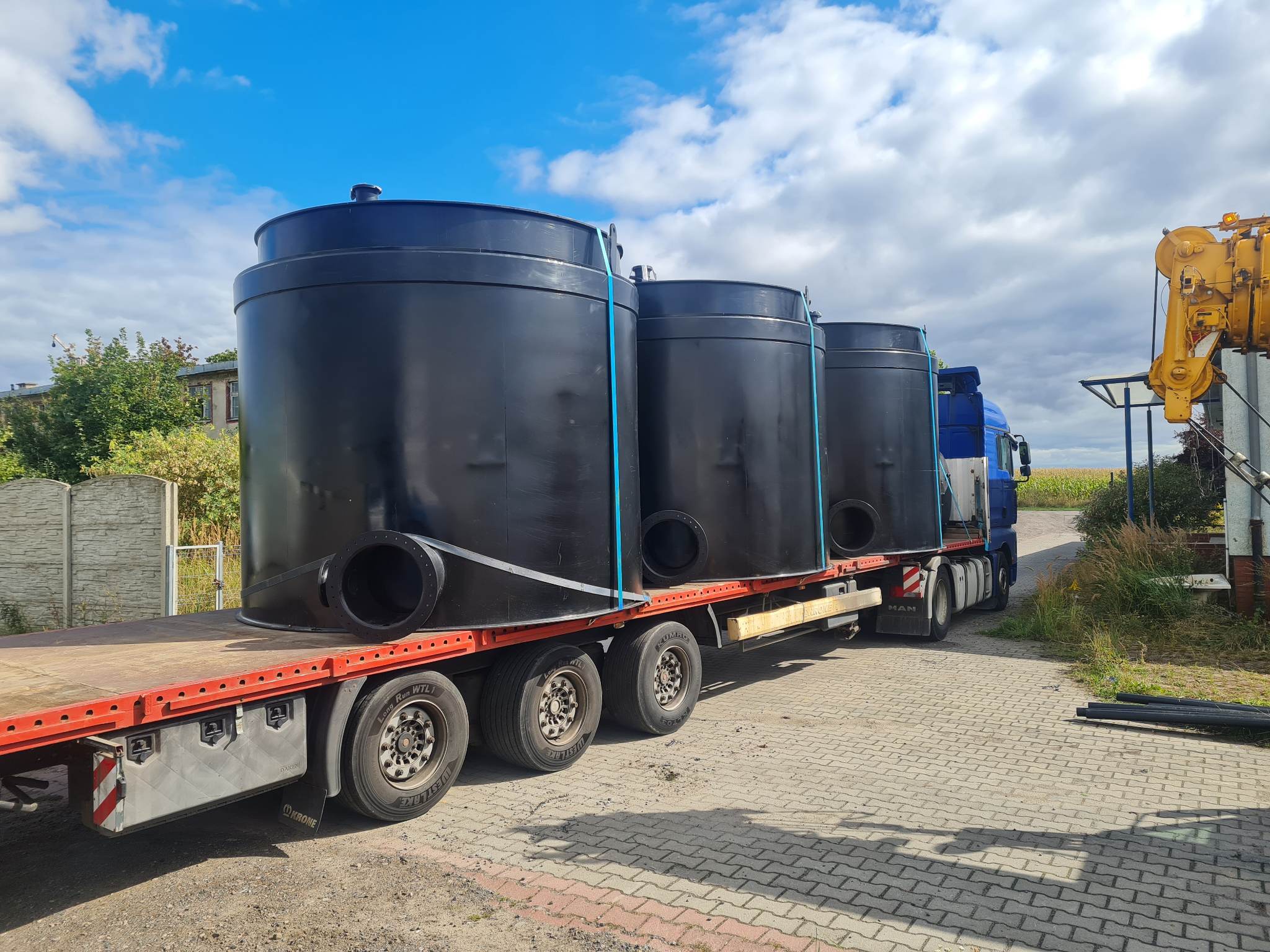
Production of cylindrical thermoplastic tanks
The process begins with the selection of the appropriate material (usually PE or PP) depending on the liquid, operating temperature and chemical conditions. The subsequent stages include:
- Tank design – determining the capacity, shape, wall thickness and location of the connections.
- Sheet cutting – preparation of structural components in accordance with strength requirements.
- Cylinder forming – bending and butt welding using welding machines.
- Welding of the bottom and top – assembly of end components using a hot-air method (extruder).
- Fittings and connections – welded at appropriate points on the structure.
- Leak test – 24-hour water filling to verify joints, welds and the leak-tightness of the entire structure.
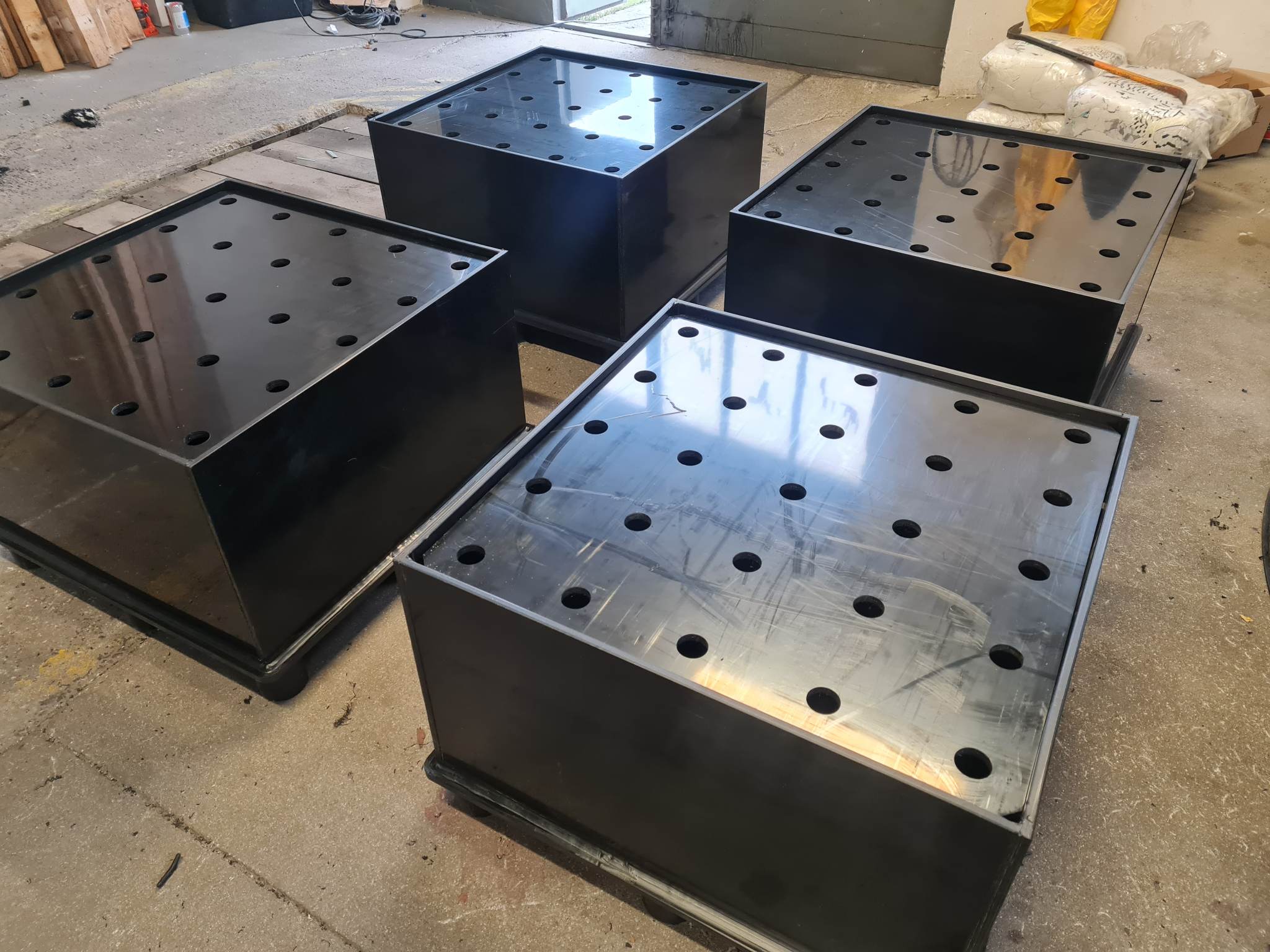
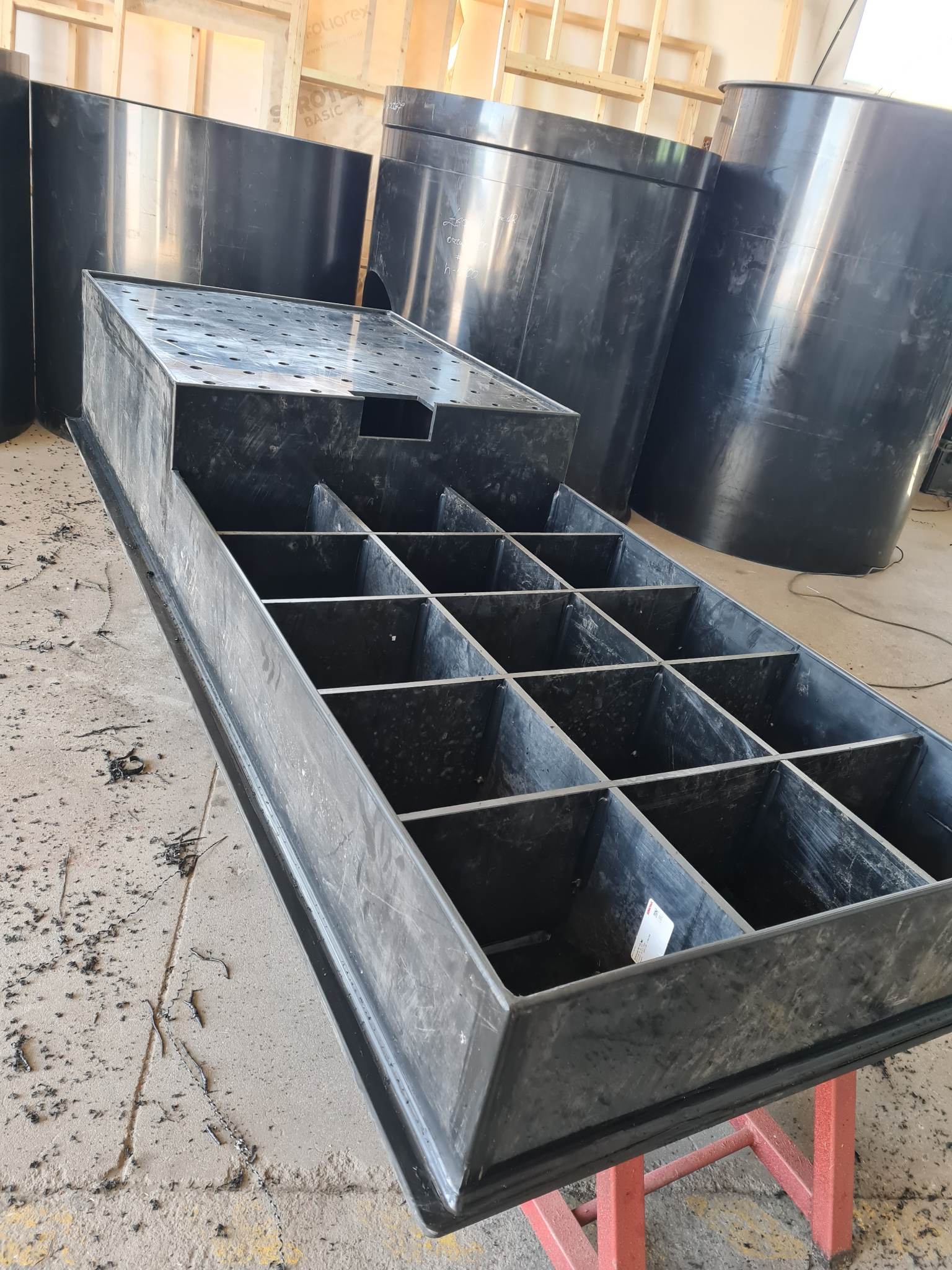
Production of spill containment tanks
Spill containment trays are manufactured in the same way as tanks, with the difference that their design is adapted to collect spills and prevent contamination. They are used beneath tanks, process equipment and in storage areas where compliance with health and safety and environmental regulations is required.
Manufacture of safety pallets
Thermoplastic pallets ensure the safe storage and transport of chemical liquids. They are usually made from PE or PP. In addition to chemical resistance, the design takes into account load-bearing capacity, stability and construction (trusses, risers, handles). Production follows the same stages as for tanks – heat sealing, welding, fitting of reinforcements and quality control.
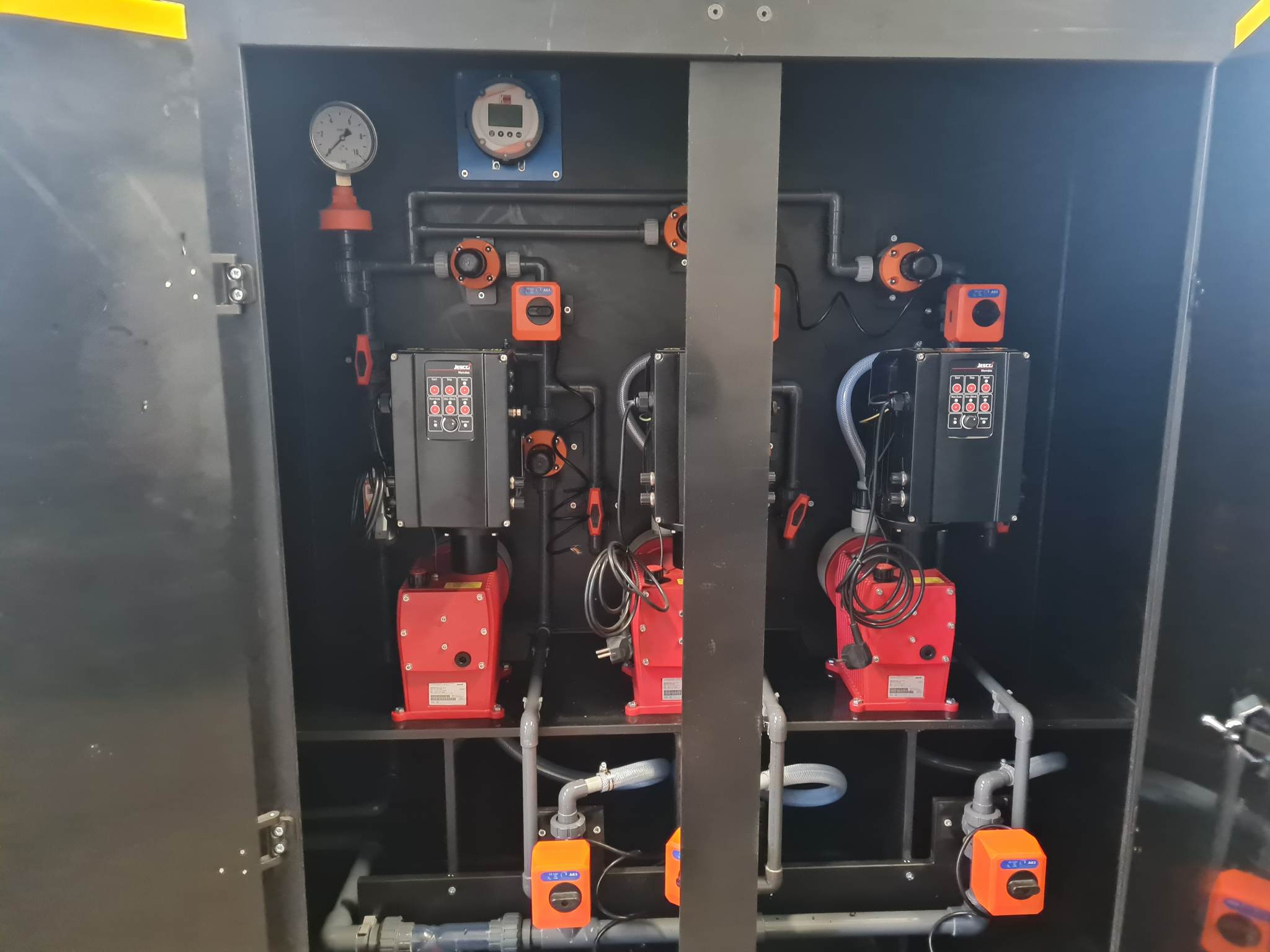
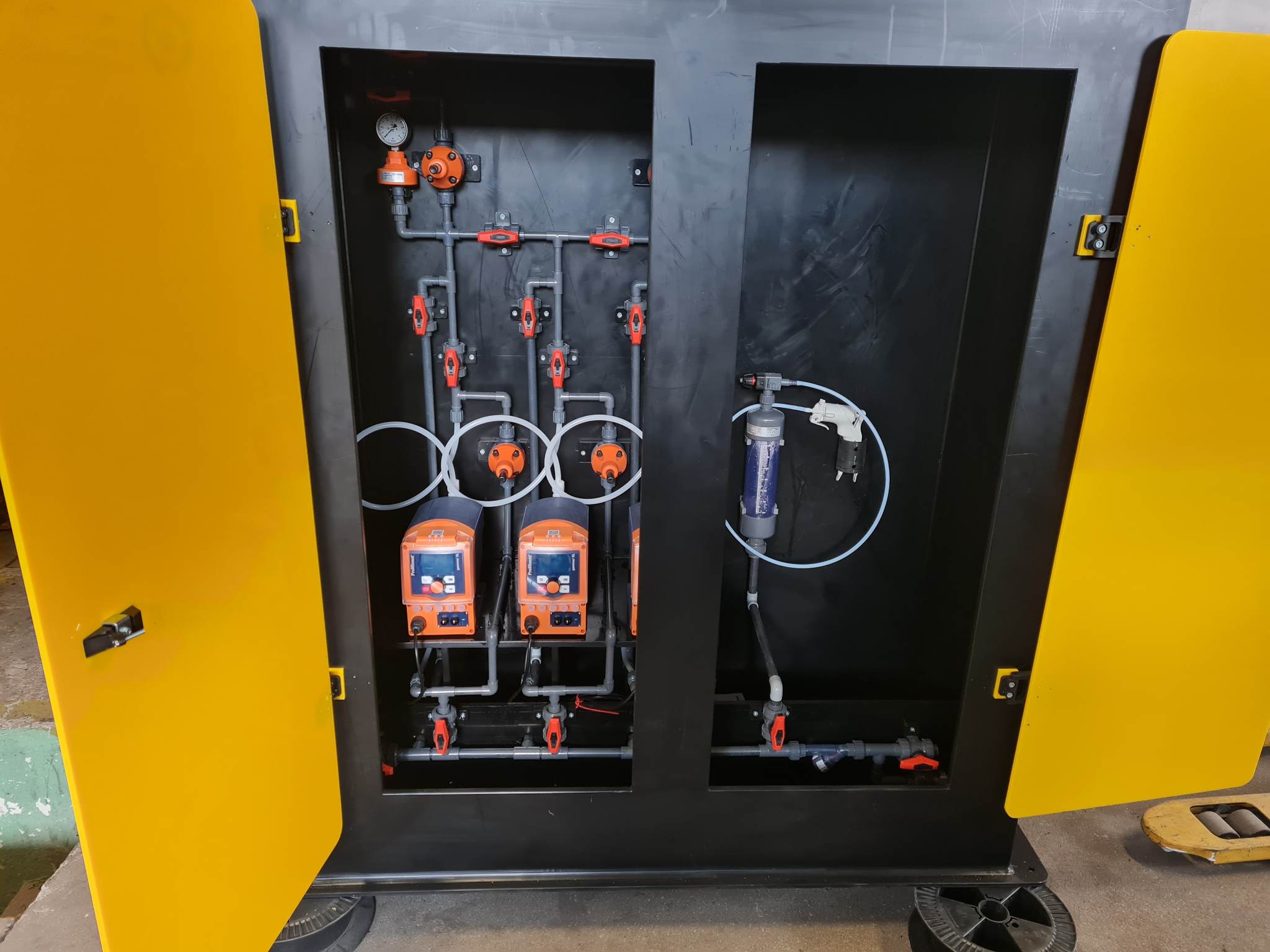
Manufacture of dosing systems
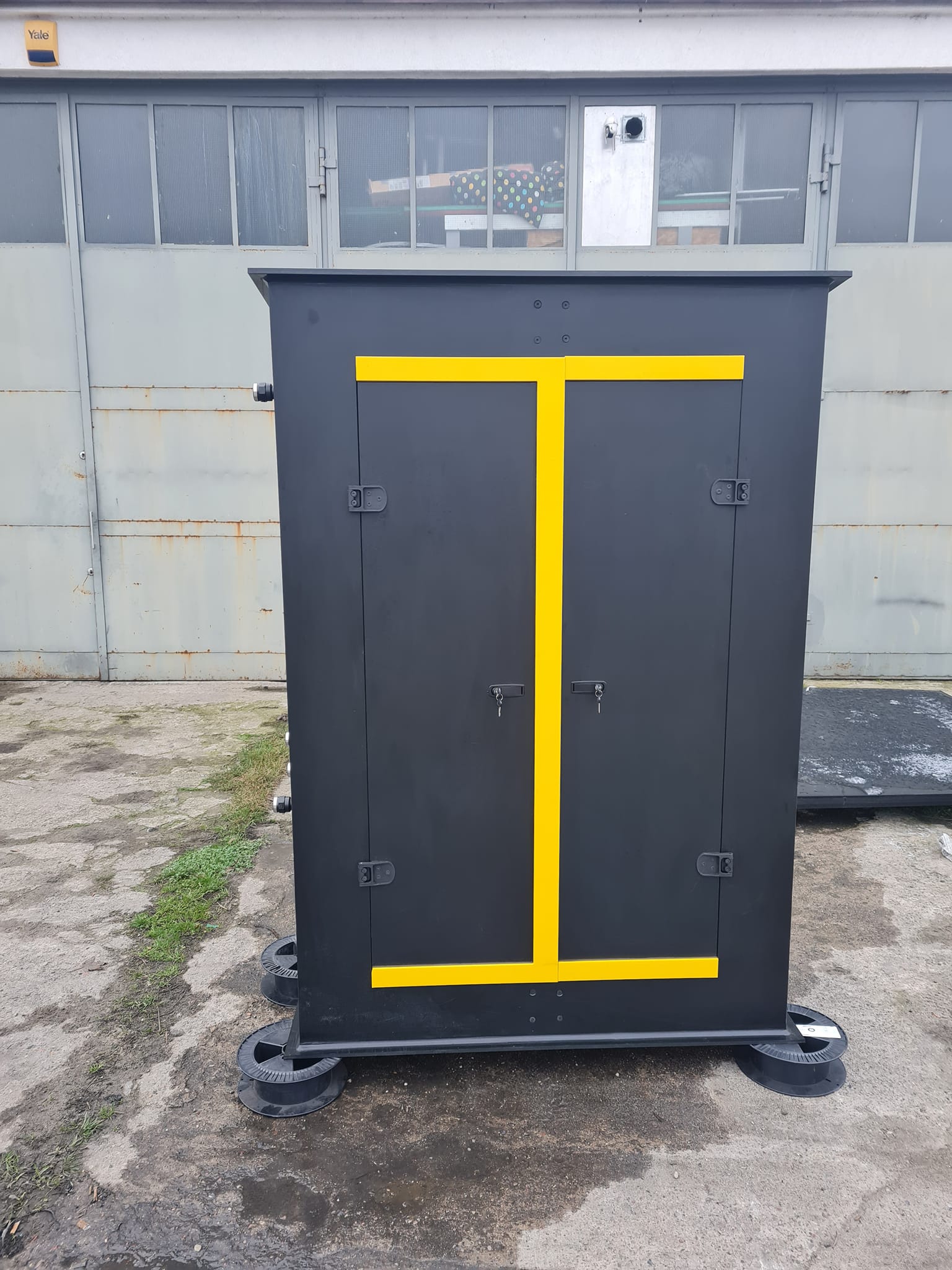
PE or PP dosing system cabinets are components that protect sensitive system components (such as pumps, valves and sensors) from mechanical damage and chemical exposure. The enclosures are designed to facilitate installation and service access, whilst maintaining the tidiness and integrity of the entire system. In the chemical and food industries, they are one of the safest solutions for managing liquid flow.
Projects
Interested?
Contact us