


Manufacture and production of plastic moulds – GRP moulds
The manufacture of plastic moulds, including GRP (glass-reinforced plastic) moulds, is a sophisticated technological process that requires precision, experience and the use of modern technologies. As a company specialising in the design and manufacture of GRP moulds, we fully understand that every detail, no matter how small, matters. In our tool shop, we focus on the highest quality and precision of workmanship, which allows us to meet the expectations of even the most demanding customers. Using GRP moulds, we can serve a wide range of industries, supplying products used in the automotive, aerospace and construction sectors.
How is GRP mould production carried out?
At STOLAM, we do not produce conventional injection moulds. Instead, we specialise in the construction of glass-fibre-reinforced polyester (GFRP) moulds, using the same technologies as in the production of final components, but with the difference that we use materials with enhanced technical specifications to create the moulds. The finished moulds are more durable, wear-resistant and allow for repeated, precise reproduction of details.
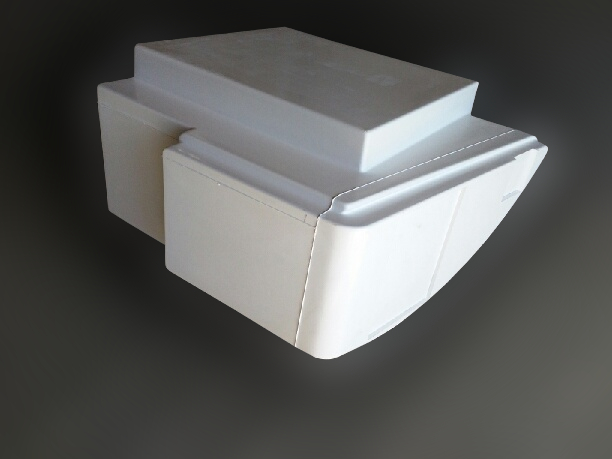

The process begins with a model
It is on this model, layer by layer, that the mould is created. First, the surface is thoroughly prepared and coated with a release agent (technical wax), which prevents the laminate from sticking. The next step is the application of a special moulding gelcoat, i.e. a material with increased mechanical strength and extended service life.
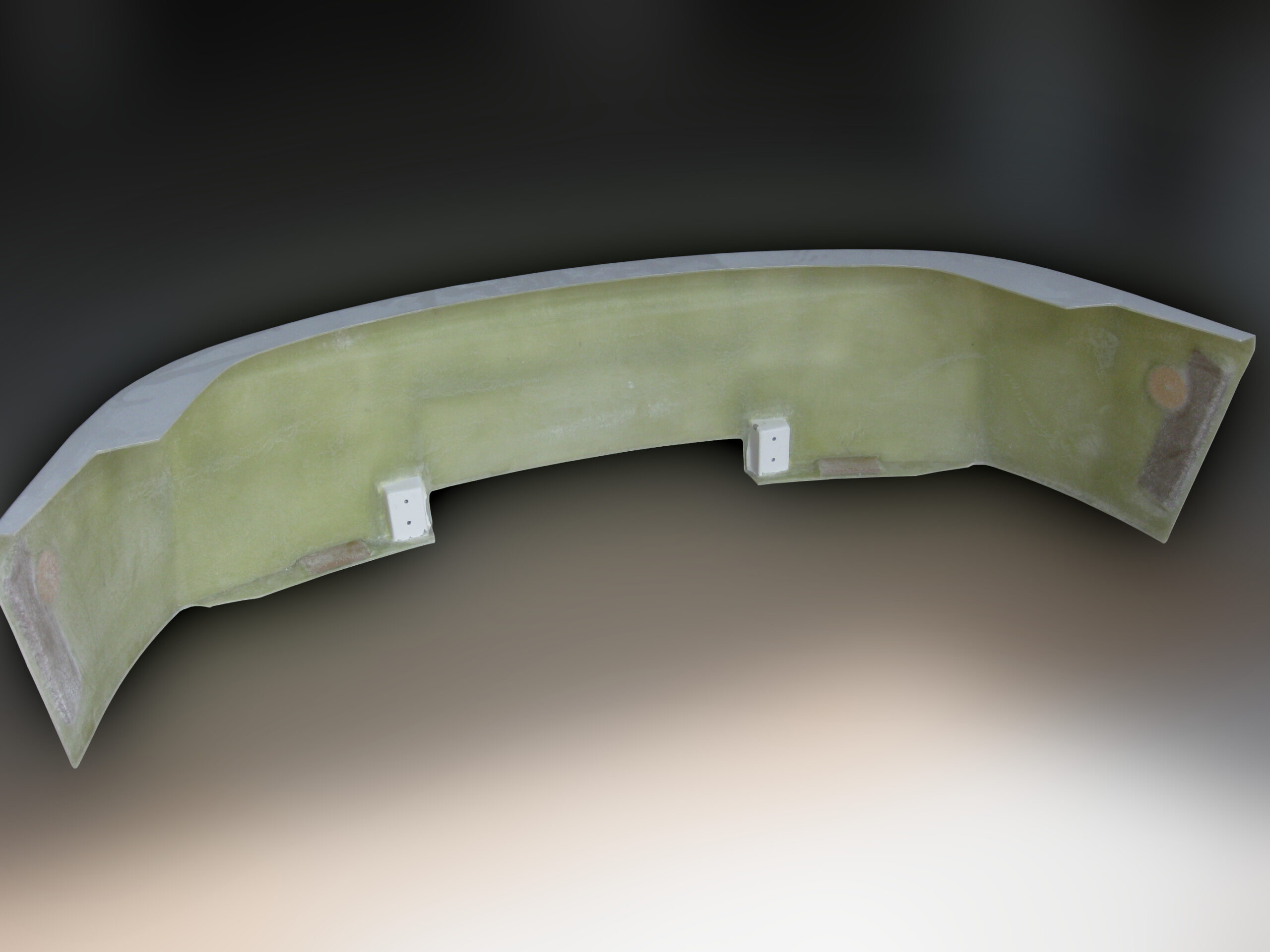
Once the gelcoat has cured, we apply successive layers of reinforcement using glass fibre mat, impregnated with vinyl ester resins and low-shrinkage polyester resins. These specialised formulations minimise shrinkage, prevent deformation and significantly improve the strength of the entire mould.
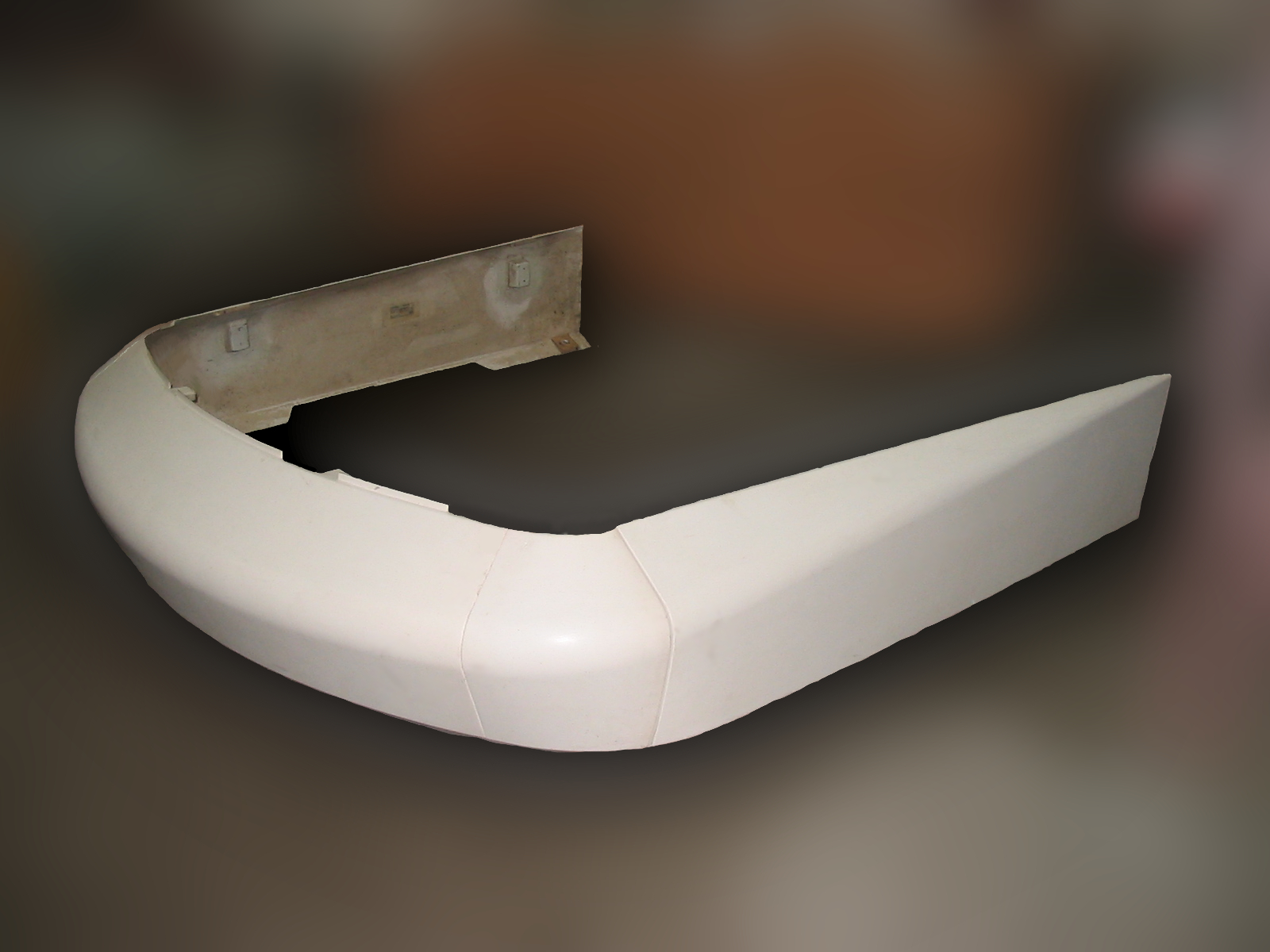
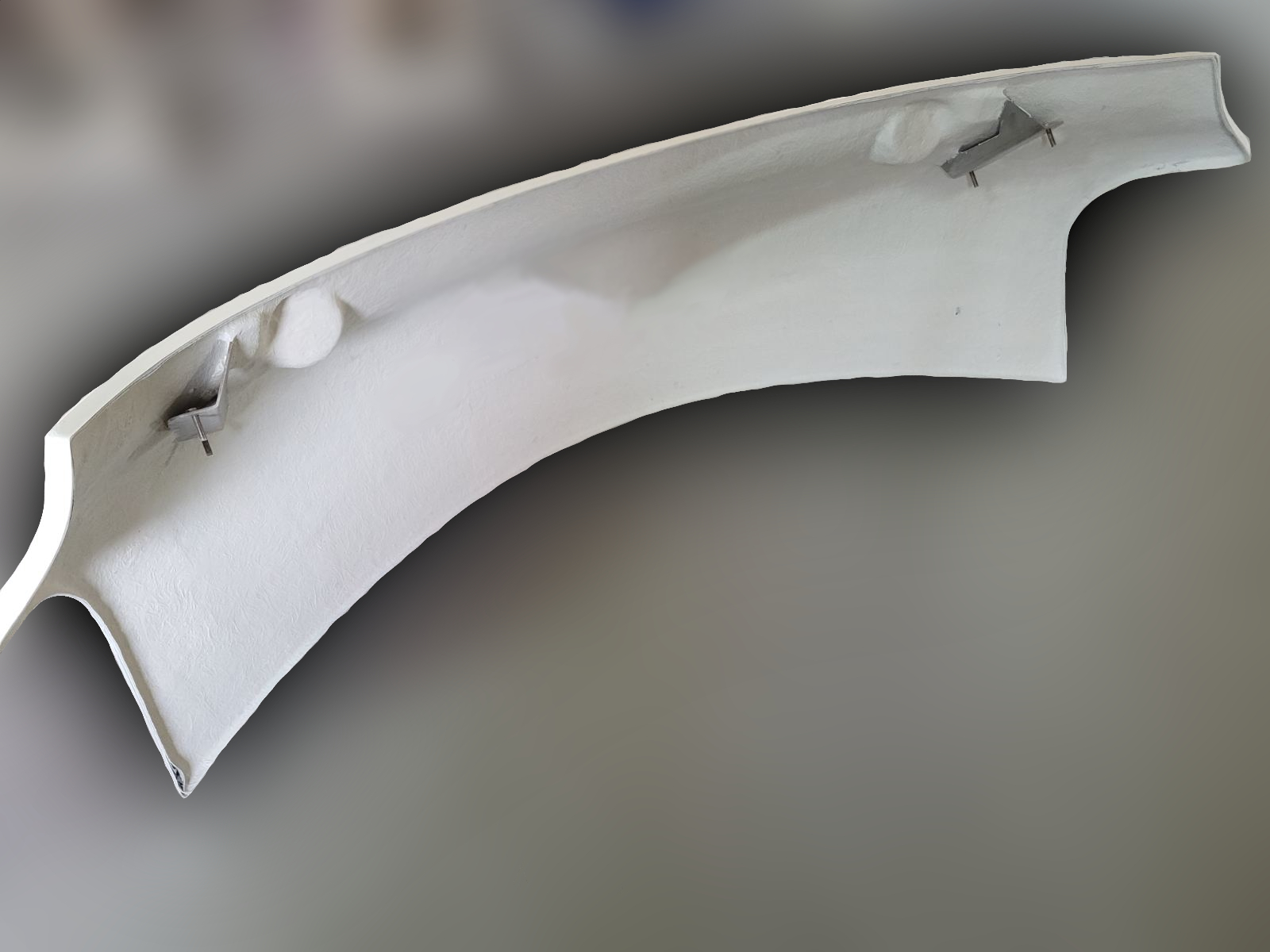
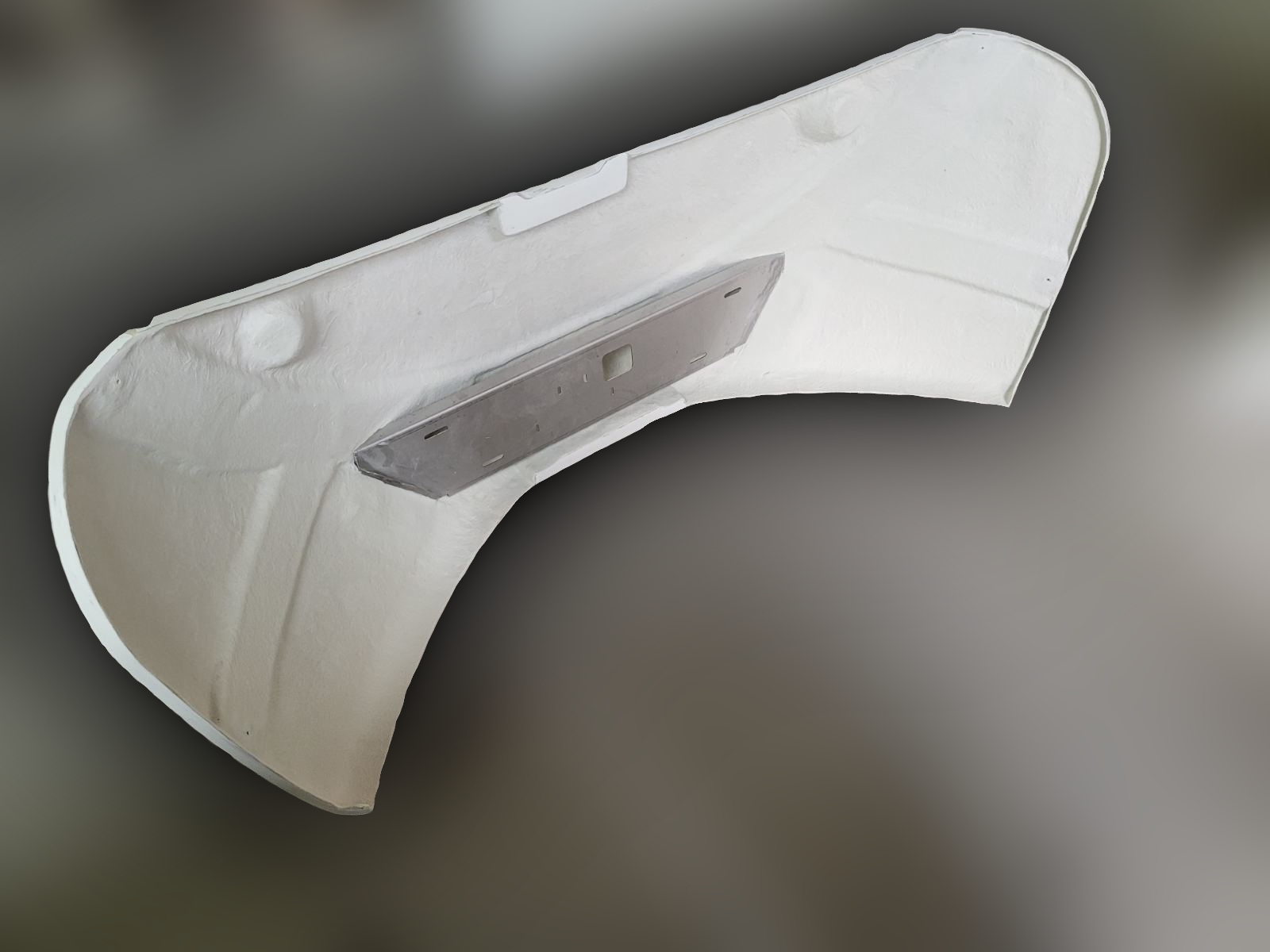
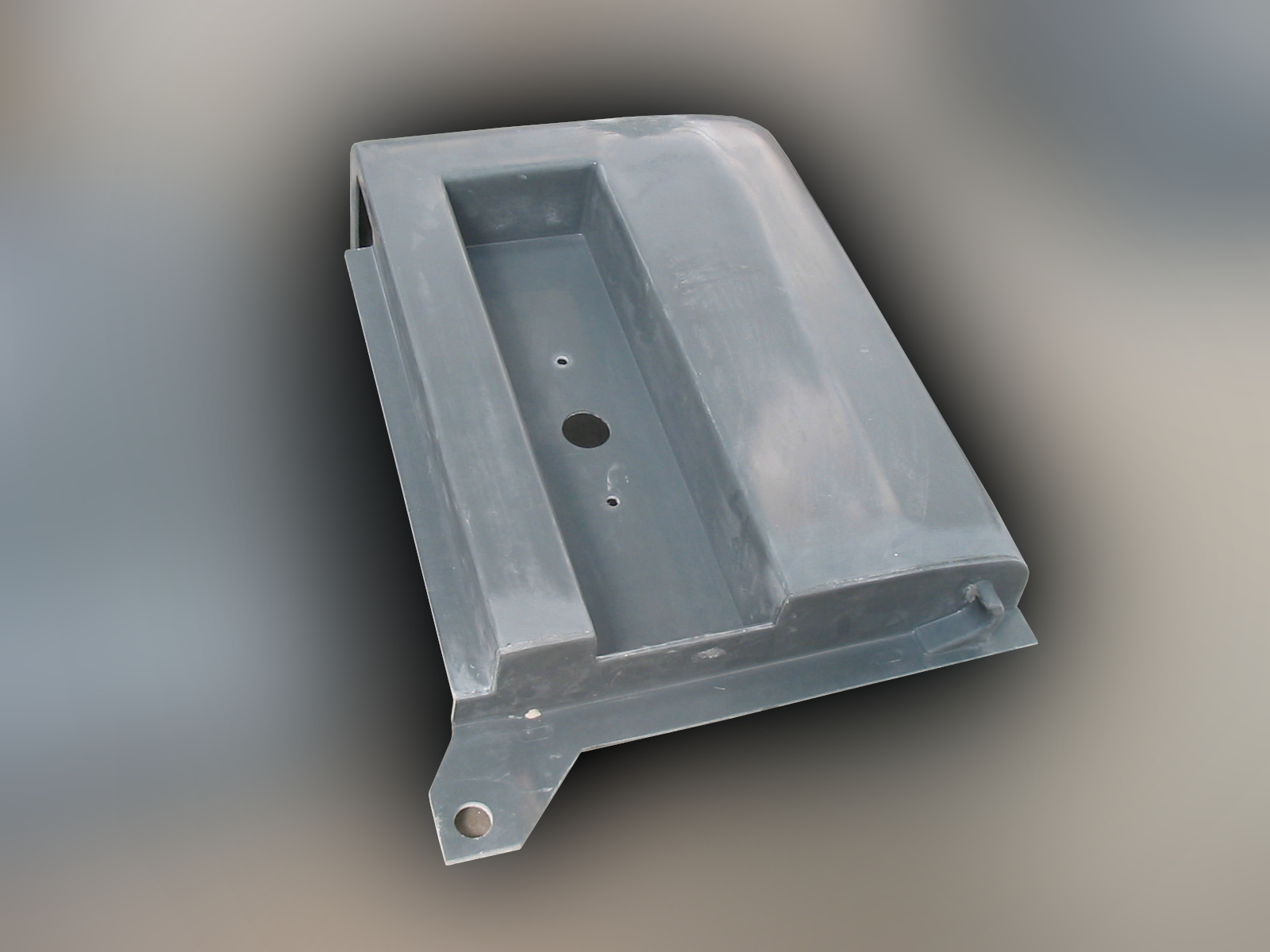
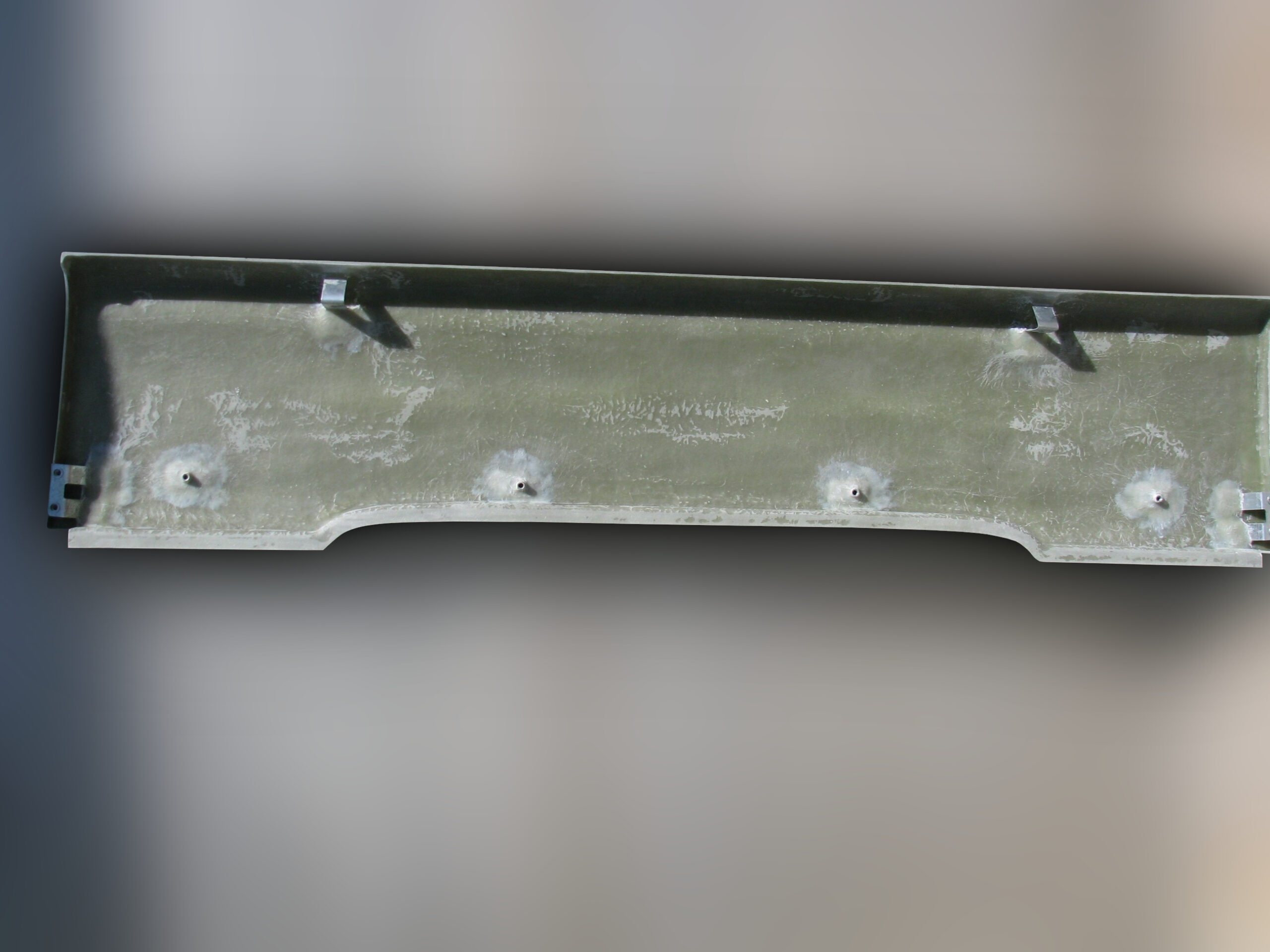
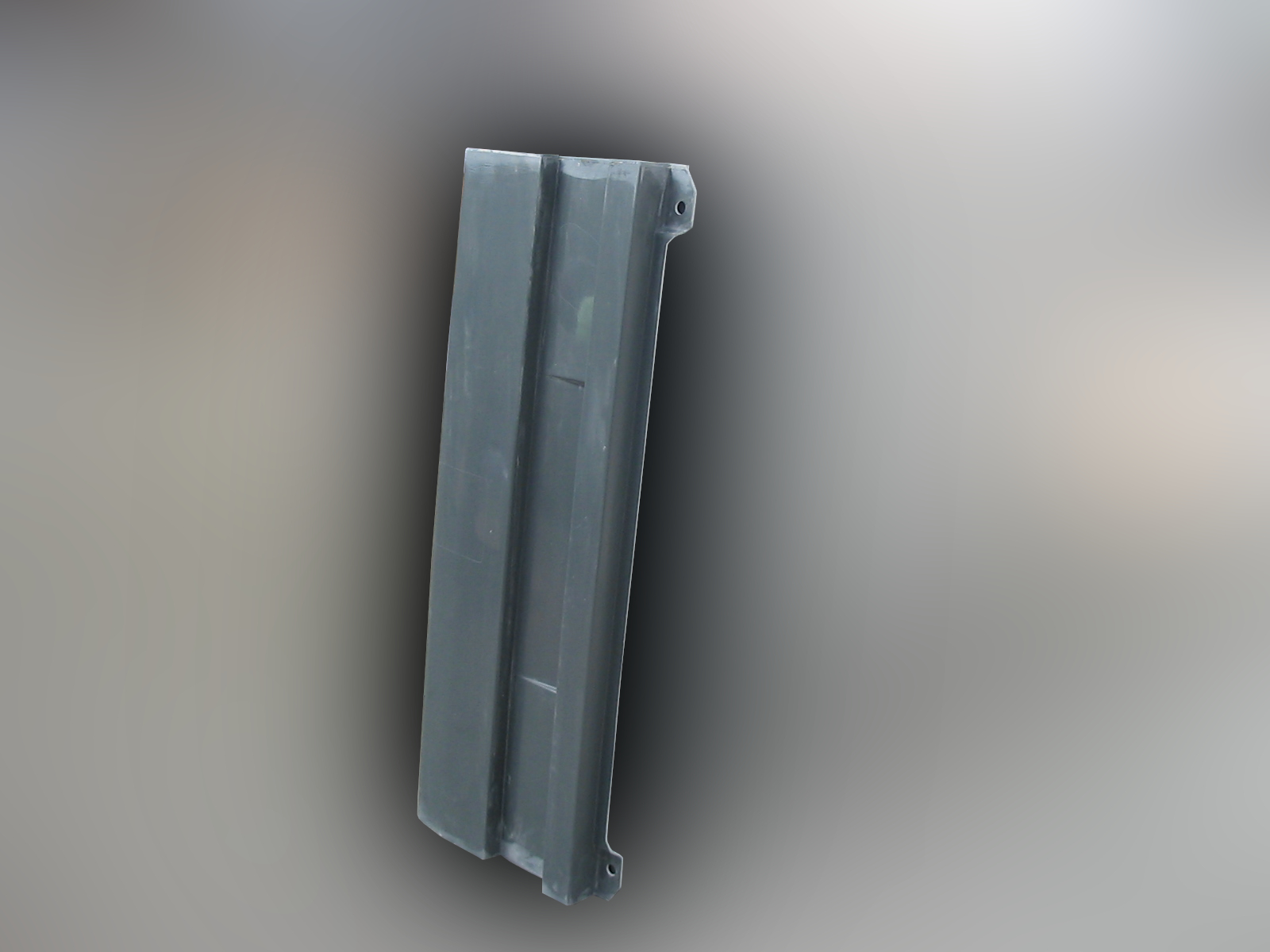
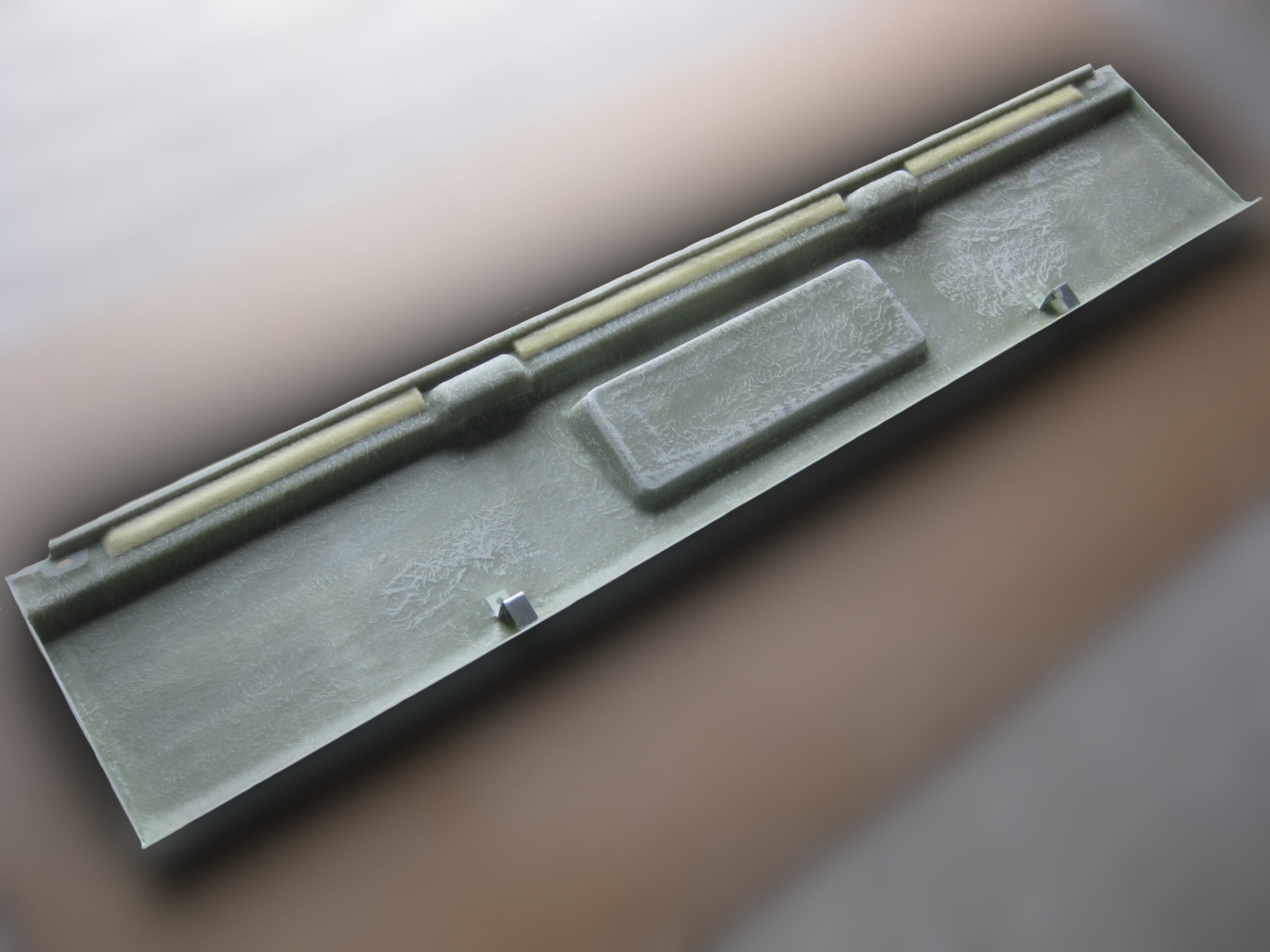
The end result is a robust, durable mould that perfectly replicates the model and allows for the repeated production of components with a high-quality finish. This solution is particularly well-suited to single-unit and small-batch production.
The advantages of plastics
in manufacturing
Plastic moulds (particularly those made from polyester-glass laminate) offer a number of advantages that make them an excellent alternative to metal moulds. First and foremost, they are significantly lighter and, as a result, more convenient to handle, easier to transport and carry a lower risk of mechanical damage during assembly.
The material does not corrode, is resistant to moisture and most chemicals used in industry, which significantly extends the mould’s service life. Production costs are lower than for steel moulds, and if necessary, the mould can be easily upgraded without having to redesign everything from scratch.
Plastics also provide good thermal insulation, which helps to prevent localised overheating of the laminate layers and stabilises the curing process. They allow for the accurate reproduction of complex geometries, undercuts and curves, which would involve much greater effort and cost if metal moulds were used.
Designing plastic moulds
At the design stage of plastic moulds, it is crucial to ensure that the finished part can be demoulded correctly. We take care to ensure there are no sharp edges and that the walls have the correct angle of inclination, so that the mould operates efficiently and reliably throughout its entire service life. Equally important is the quality of the mould’s contact surface, which directly affects the appearance and finish of the manufactured part.
The basis of the entire process is the creation of a model, or ‘master’, upon which the mould is built. We usually work from 3D documentation, and achieve the correct shape of the model through CNC milling of materials such as MDF, wood or polystyrene. The surface of the model is then repeatedly filled, sanded and finished with varnish, which ensures the mould meets the required technical and aesthetic standards.
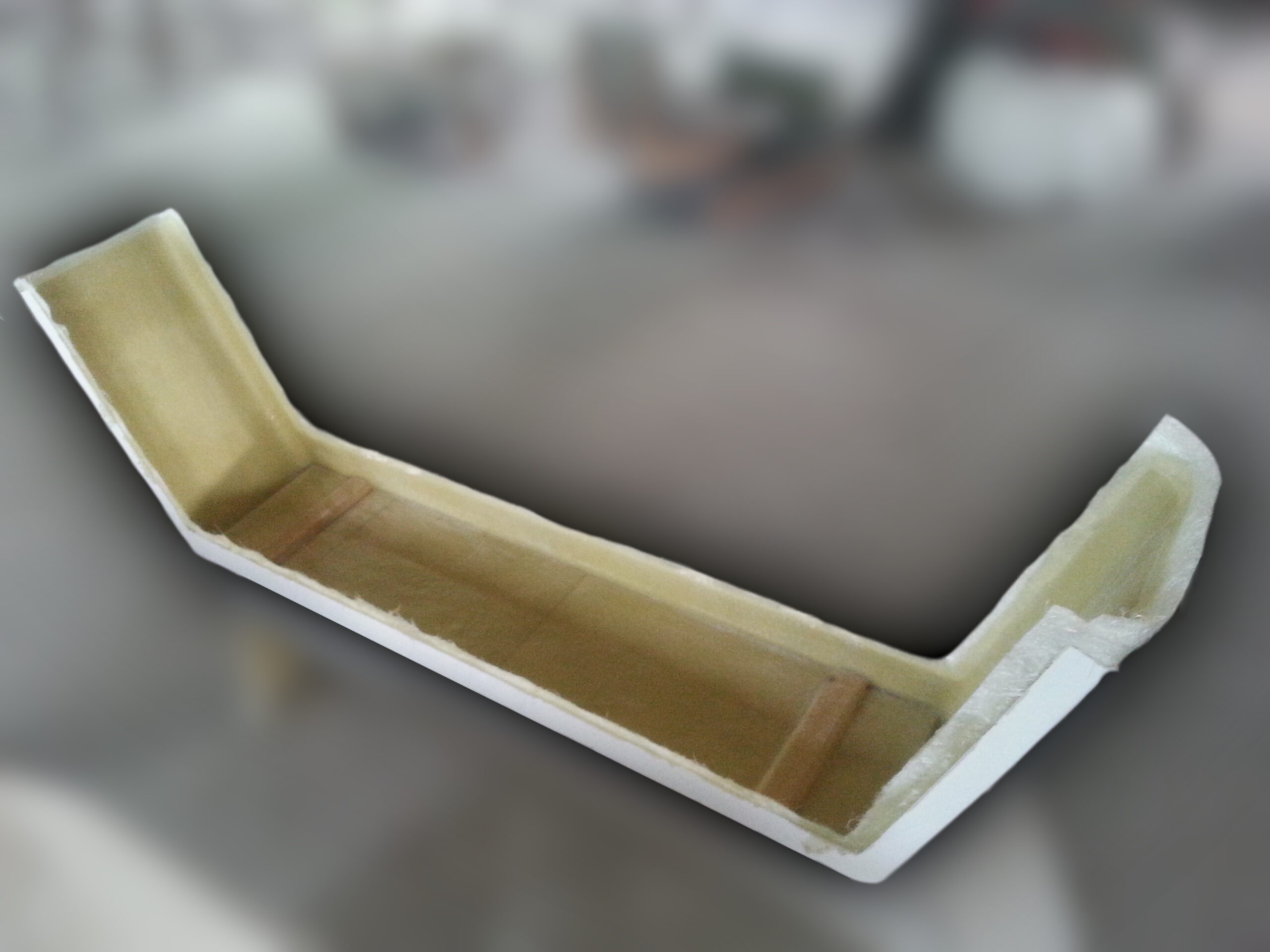
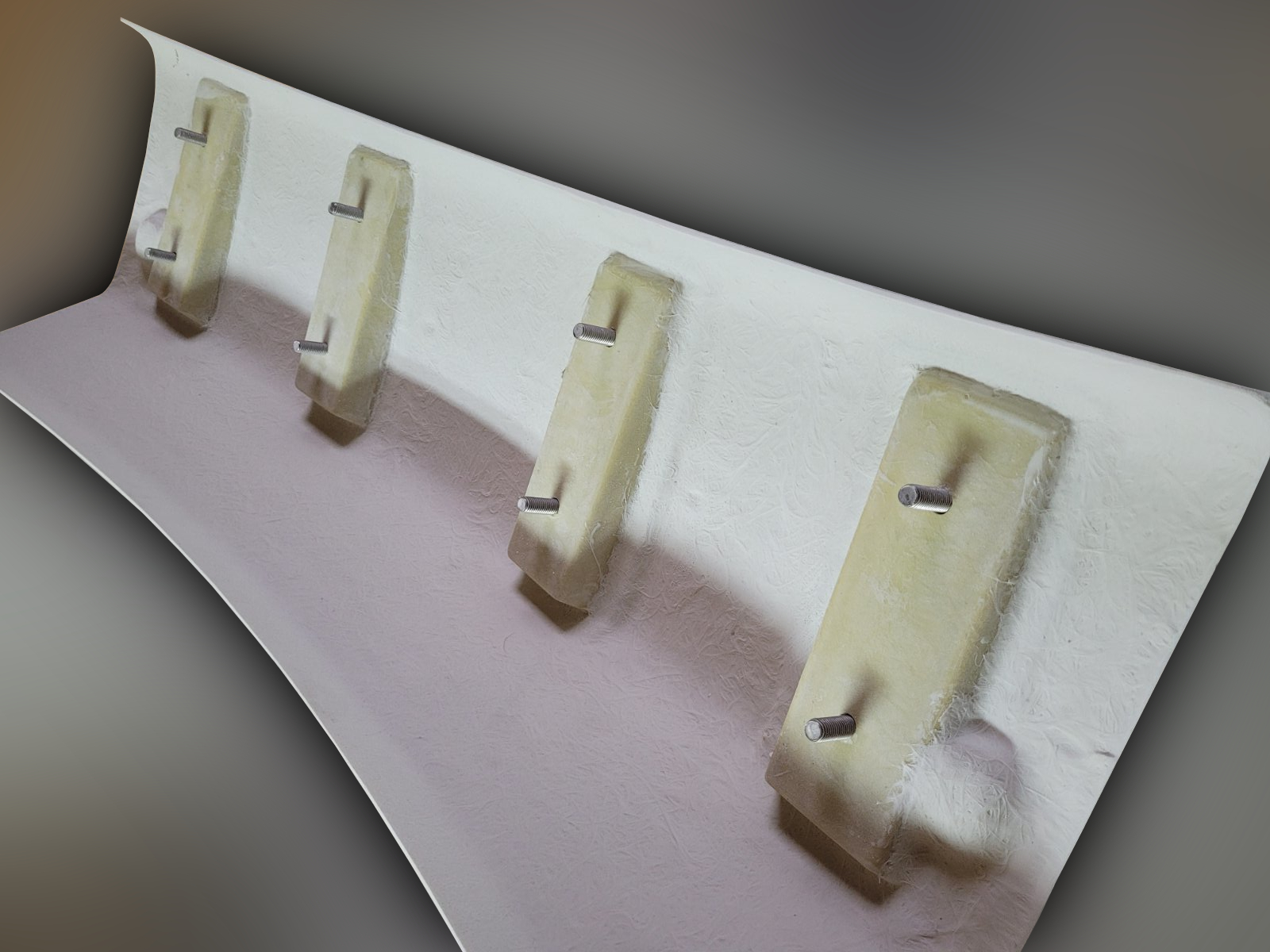
Durability is extremely important, which is why we identify areas that may require additional reinforcement as early as the design stage. To this end, we use technical plywood ribbing or steel frames, which reduce the risk of deformation and ensure the mould’s long-term stability.
What does the mould-making process look like?
The design process begins with an analysis of the component’s shape and the selection of appropriate technical parameters. Given the properties of resins, we account for material shrinkage, which can affect the final dimensions of the product. Each mould must be designed in such a way that it remains stable during operation and does not deform under load. We reinforce the moulds at critical points and carefully select the angles and geometry of the walls.
What technologies are used in mould manufacturing?
Various lamination technologies can be used in the production of plastic moulds. The most common include:
- Hand lay-up – involves manually laying successive layers of glass mat or fabric and impregnating them with resin. It is a labour-intensive process, but one that allows for full control over the quality of the mould.
- Spray-up – a technique involving spraying a mixture of resin and chopped glass fibre directly onto the mould. It allows for faster coverage of large surfaces.
- Vacuum infusion – a modern method in which resin is drawn into layers of glass fibre using negative pressure. It produces moulds with greater uniformity and fewer air bubbles.
At STOLAM, we use hand lay-up because it allows us to accurately reproduce details, maintain dimensional stability and tailor the process to the individual requirements of the project.
Plastic prototypes
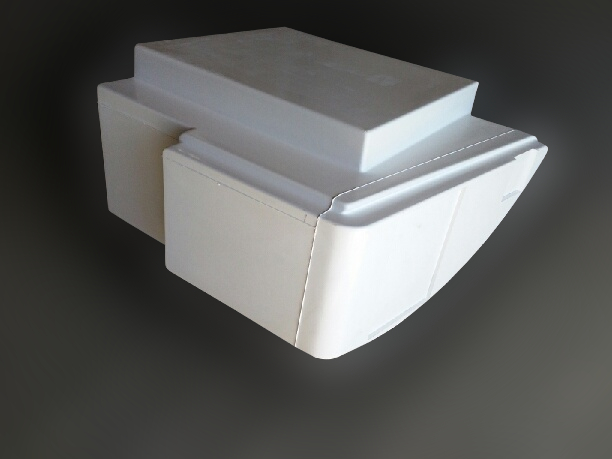
Glass-reinforced polymers offer considerable flexibility in testing and refining designs even before mass production begins. They enable the production of realistic prototypes quickly and at relatively low cost. These types of models allow you to check both the geometry and functionality of components, assess how they fit with other parts, and analyse potential assembly conflicts.
If you want a proven solution before production begins – ask us to produce a prototype!
Projects






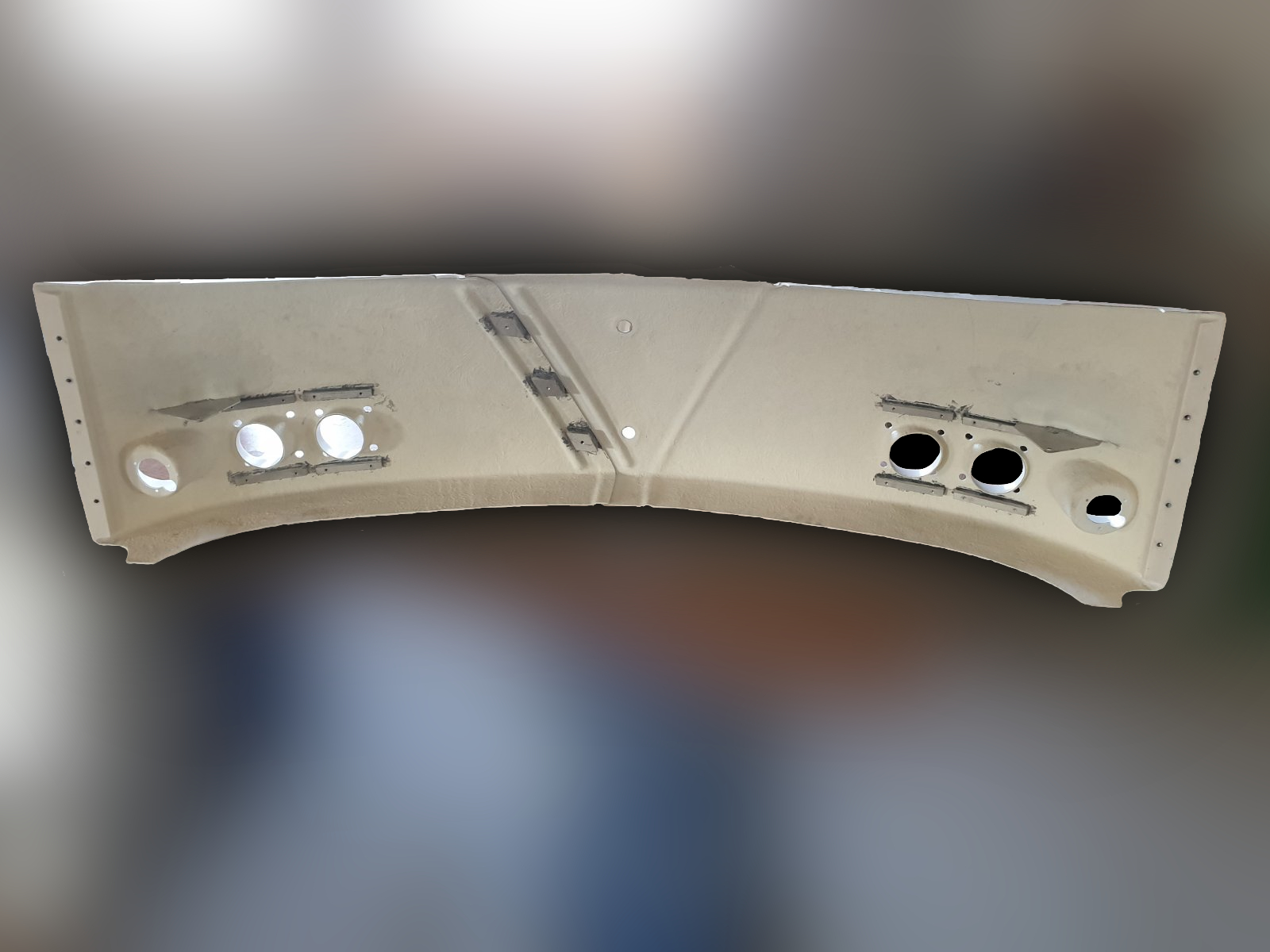
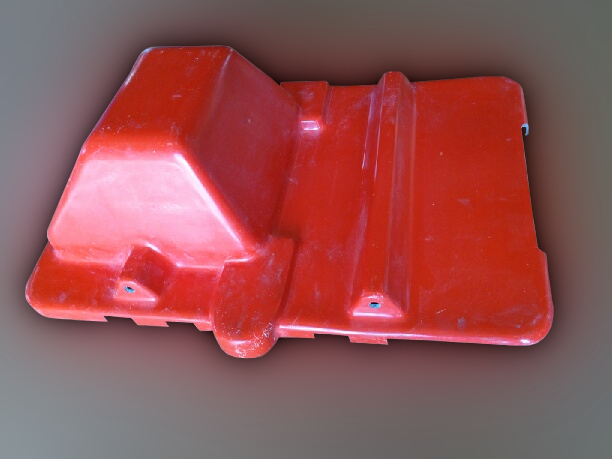
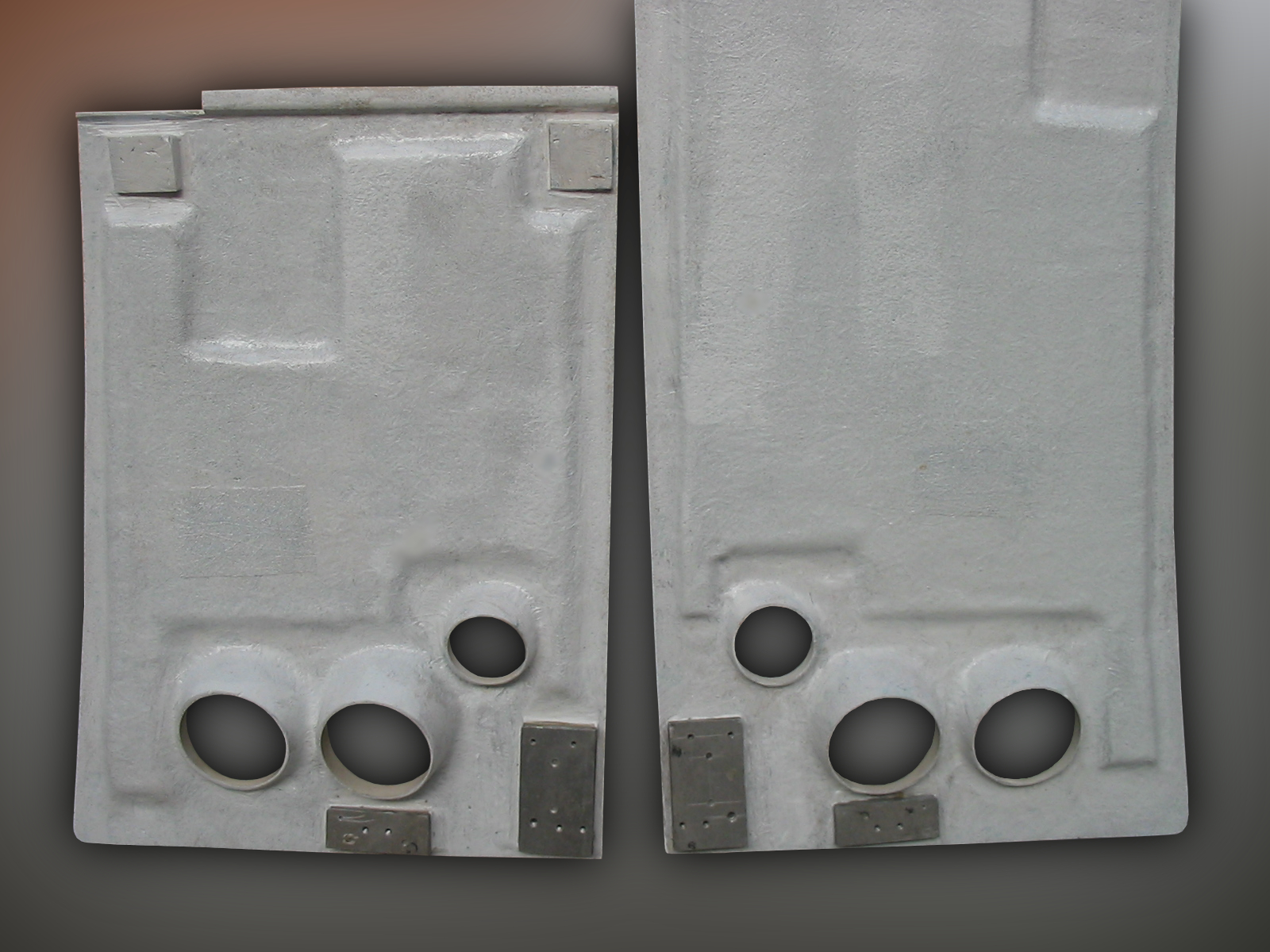
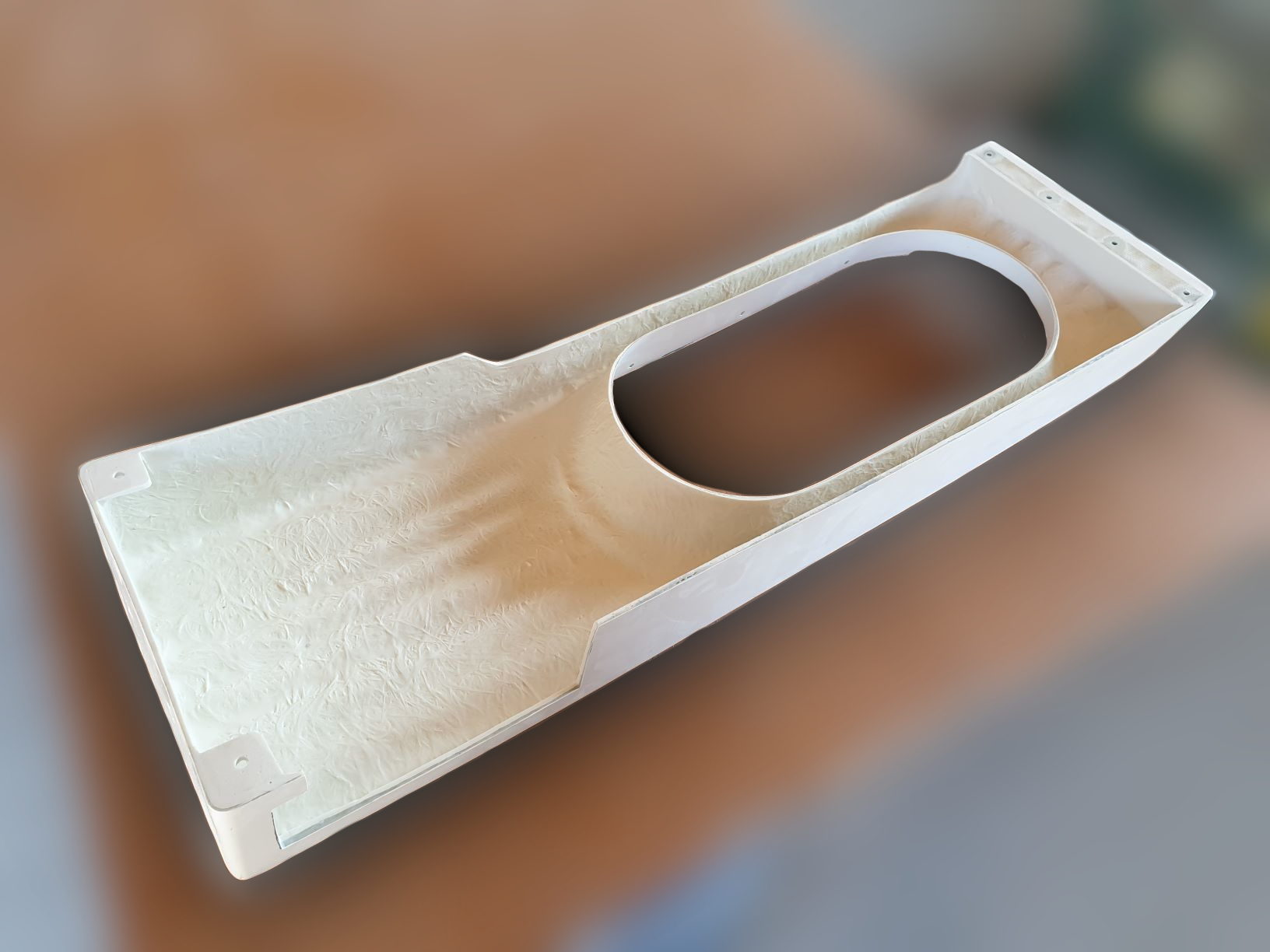






Interested?
Contact us